Europe’s Nuclear Comeback and Czechia’s 60% Nuclear Target by 2050
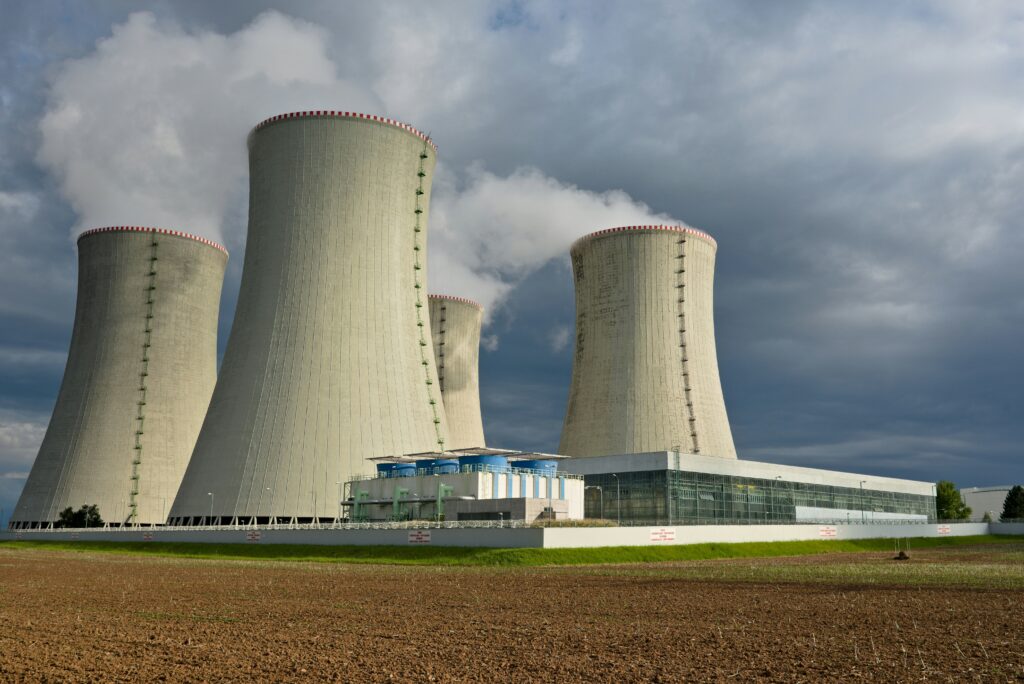
As Europe intensifies its push toward energy independence and decarbonization, nuclear power is experiencing a strategic resurgence. Among the frontrunners is the Czech Republic, which has committed to generating up to 60% of its electricity from nuclear energy by 2050, according to recent government strategy documents. Currently, nuclear power accounts for approximately 37% of the country’s electricity mix, primarily produced by the Dukovany and Temelín plants. With coal still contributing over 40% of generation, this ambitious transition represents one of Central Europe’s most aggressive energy restructurings.
The Czech government views nuclear expansion as essential to meeting EU climate targets while ensuring grid stability amid rising renewable penetration. The Ministry of Industry and Trade projects that achieving the 60% target will require at least two new reactors—potentially four—adding between 3.5 GW and 6 GW of capacity. These additions are expected to displace aging coal-fired units, particularly in the northern regions, reducing both carbon emissions and reliance on imported fossil fuels.
State-Backed Investments and Public-Private Financing Models
To finance this transformation, the Czech Republic is deploying a hybrid funding model combining state capital, EU grants, and private-sector participation. In 2023, the government approved a CZK 150 billion (approximately $6.5 billion USD) investment framework for the construction of new reactors at the Dukovany site, with potential expansion at Temelín. A key feature of the financing plan is the Contract for Difference (CfD) mechanism, modeled after the UK’s Hinkley Point C project, which guarantees a fixed strike price for electricity over a 35-year period, reducing revenue volatility for investors.
The state-owned utility ČEZ Group, which operates the existing nuclear fleet, is leading development but will likely partner with international firms such as EDF, Westinghouse, or Korea Hydro & Nuclear through competitive bidding. This structure allows private equity and institutional investors to participate via project financing vehicles, joint ventures, or bond issuances. Notably, the European Commission has classified nuclear energy as a sustainable activity under the EU Taxonomy, enabling access to green bonds and ESG-focused funds—a significant boost for investor appetite.
Comparative Landscape: France, UK, and Poland Re-Embrace Nuclear
Czechia’s nuclear revival mirrors broader trends across Western and Central Europe. France, long reliant on nuclear power for about 70% of its electricity, announced plans in 2023 to build at least six new EPR2 reactors and extend the lifespan of existing plants. Similarly, the United Kingdom has launched the Great British Nuclear initiative, aiming to deliver 24 GW of nuclear capacity by 2050—up to 25% of projected electricity demand.
Poland, another post-coal transition economy, plans to deploy up to nine reactors by 2043, starting with three AP1000 units from Westinghouse. These coordinated national strategies signal a structural shift in European energy policy, driven by security concerns post-Ukraine war and tightening emissions regulations. Unlike Germany, which phased out nuclear power in 2023, these countries view advanced nuclear technology—including small modular reactors (SMRs)—as critical to achieving baseload decarbonization.
Investment Implications: Uranium Equities, ETFs, and Infrastructure Bonds
For global investors, the renaissance in European nuclear energy opens multiple avenues for exposure. Direct opportunities include uranium mining equities such as Cameco (CCJ) and Kazatomprom (), which have seen renewed demand signals from utilities securing long-term fuel contracts. The Global X Uranium ETF (URA) and Sprott Uranium Miners ETF (URNM) offer diversified access to the nuclear fuel cycle.
Beyond commodities, investors can explore utility stocks like ČEZ Group (CEZ.AX), whose valuation increasingly reflects its nuclear growth pipeline. Additionally, infrastructure bonds issued by ČEZ or co-financed by the European Investment Bank (EIB) may appeal to fixed-income investors seeking inflation-linked yields with moderate risk. Green and sustainability-linked bonds tied to nuclear projects are also emerging, supported by the EU’s Sustainable Finance Disclosure Regulation (SFDR).
Risks and Regulatory Outlook for Central European Nuclear Projects
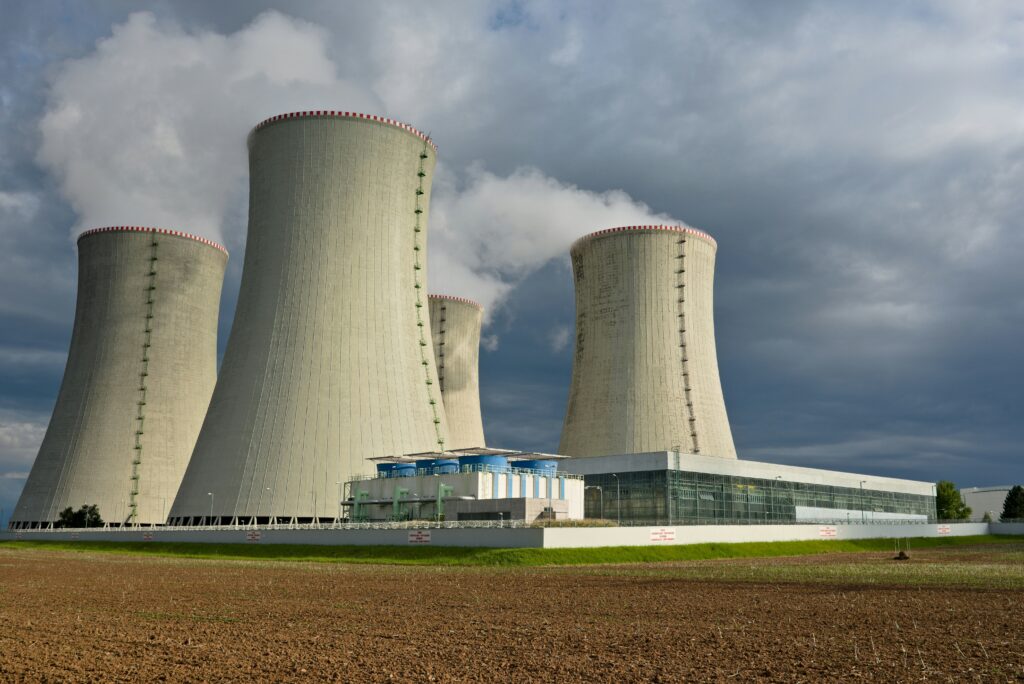
Despite strong policy support, nuclear investments carry inherent risks. Project delays and cost overruns remain common—witnessed in Finland’s Olkiluoto 3 and France’s Flamanville 3—raising concerns about timeline reliability. The Czech Dukovany expansion is scheduled for completion by 2036, but permitting, supply chain constraints, and skilled labor shortages could impact delivery.
Regulatory scrutiny remains high, particularly regarding waste management and safety standards enforced by the European Nuclear Safety Regulators Group (ENSREG). While public opinion in Czechia is relatively favorable toward nuclear power (polls show ~60% support), cross-border environmental assessments and EU state aid approvals add layers of complexity. Investors should also monitor geopolitical risks related to reactor supplier selection—especially if Russian or Chinese firms are excluded due to sanctions or security policies.
Conclusion: A Strategic Shift with Measured Investment Potential
The Czech Republic’s nuclear ambitions reflect a broader recalibration of Europe’s energy priorities. As part of a diversified clean energy transition, new reactor projects offer long-term, stable power generation with low carbon output. For investors, the opportunity lies not in speculative bets, but in structured exposure through regulated utilities, uranium markets, and green financial instruments. While challenges persist, the combination of state backing, EU alignment, and technological maturity makes Central Europe’s nuclear renaissance a compelling chapter in the future of clean energy investing.