Bali Moves to End Private Beach Monopolies by 2025
In a significant shift for Indonesia’s premier tourist destination, Bali’s governor has announced plans to pass new regulations by the end of 2025 that will effectively ban private beach access controlled by resorts. The initiative aims to reclaim public shoreline areas currently blocked off by high-end hotels and villas, restoring constitutional rights to coastal access guaranteed under Indonesian law. According to local media reports, up to 70% of Bali’s southern coastline—from Kuta to Nusa Dua—is currently restricted by private developments, despite legal provisions stating that all beaches are public property.
Stakeholder Tensions: Resorts, Locals, and Investors
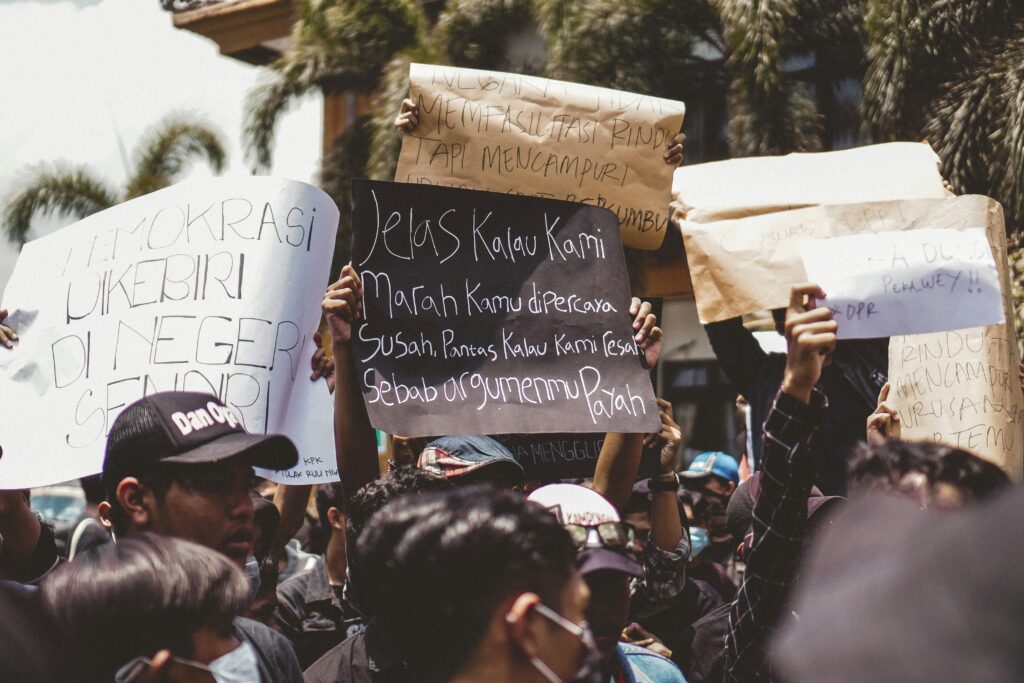
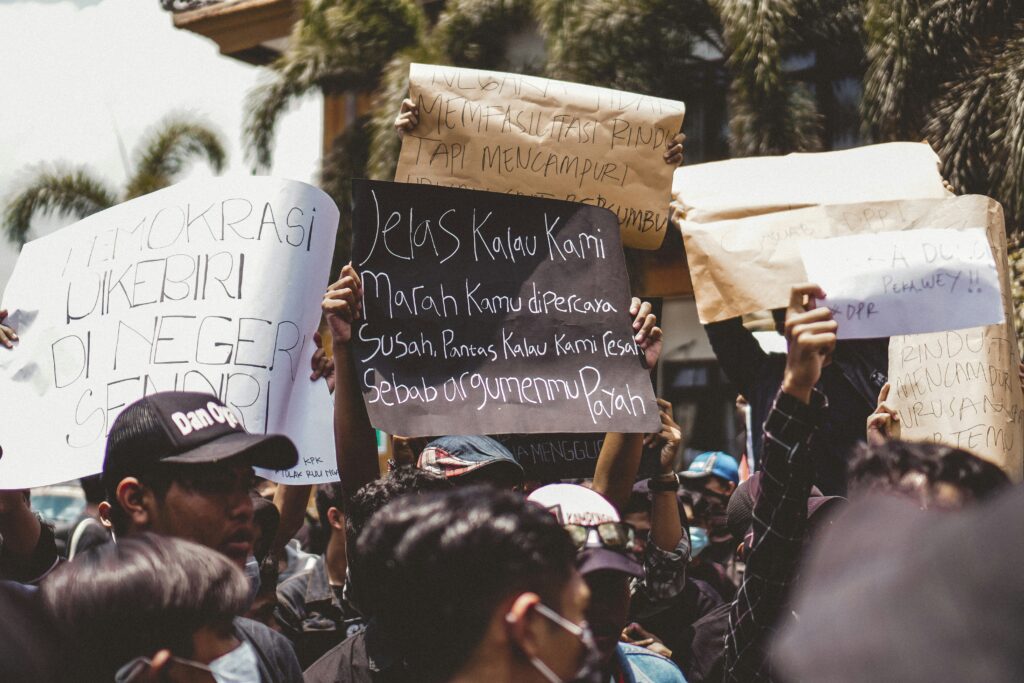
The proposed regulation has ignited tensions among key stakeholders. Resort owners, many of whom invested heavily based on long-term lease agreements, argue that the crackdown could undermine asset values and deter future investment. Some international hospitality brands have expressed concern over retroactive policy changes affecting their operational models. Conversely, local communities and civil society groups have long protested against the enclosure of beaches, calling it a violation of cultural and environmental rights. For foreign investors—particularly those holding leasehold properties through nominee structures—the uncertainty adds a layer of political and regulatory risk that was previously underpriced in valuations.
Legal Framework and Property Rights in Indonesia
Foreign ownership of land in Indonesia remains legally restricted. Most international investors hold property via leasehold (up to 80 years) or right-to-build (Hak Guna Bangunan, HGB) arrangements, often routed through PT PMA (foreign-invested companies). While these structures are legal, they remain vulnerable to shifts in local governance and interpretation of spatial planning laws. The current beach access debate underscores a critical gap: even with valid permits, private control over coastal zones may conflict with overarching public interest mandates under Indonesia’s 1992 Coastal Zone Management Act and the 2022 Job Creation Law, which reaffirms state authority over shoreline areas.
Rising Regulatory Scrutiny Across Global Tourist Destinations
Bali’s move is not isolated. A growing number of popular tourist regions are reasserting public access rights amid concerns over overtourism and equity. In Thailand, authorities have demolished illegal beachfront structures in Phuket and Koh Samui, citing violations of the Public Reserved Land Act. Mexico has tightened enforcement of its Federal Maritime-Terrestrial Zone (ZOFEMAT), limiting private use within 20 meters of the tide line. Similarly, Spain’s Balearic Islands introduced a 2023 law capping short-term rentals to preserve community access and housing affordability. These actions reflect a global trend: governments are prioritizing sustainable tourism models over unchecked privatization, particularly in environmentally sensitive coastal zones.
Implications for Emerging Market Property Investment
For investors targeting Indonesian tourism real estate, the Bali beach regulation highlights systemic risks inherent in emerging markets. Unlike developed economies with mature legal recourse and transparent zoning processes, jurisdictions like Indonesia often exhibit regulatory unpredictability. Historical returns in Bali’s villa rental market—averaging 6–9% net yields pre-pandemic—must now be reassessed against potential devaluation from forced public access mandates. Properties reliant on exclusive beachfront access for premium pricing may face downward pressure, especially if operators are required to open gates or modify infrastructure. Due diligence must now include not only title verification but also an assessment of alignment with evolving coastal spatial plans.
Investment Strategy Amid Policy Tightening
Given the increasing frequency of regulatory interventions in coastal tourism hubs, investors should adopt a more nuanced approach. First, diversify exposure across asset types: inland boutique lodges, agri-tourism ventures, or eco-cultural retreats outside contested shoreline zones may offer lower regulatory risk. Second, prioritize developments with documented compliance with Regional Spatial Plans (RTRW) and evidence of community integration. Third, consider indirect exposure via listed hospitality REITs or funds with diversified regional portfolios, which can absorb localized shocks more effectively than direct ownership. As seen in the recent $50 million Bitcoin acquisition by a major digital asset strategy fund, alternative assets are gaining traction as hedges against real estate volatility—but they carry their own risk profiles and should not be viewed as substitutes without careful analysis.
Conclusion: Balancing Opportunity and Risk
The Bali beach regulation debate exemplifies the delicate balance between economic development, environmental stewardship, and social equity in high-demand tourist regions. While Indonesia continues to attract interest under initiatives like the New Integrated Tourism Areas (MITAs), including Labuan Bajo and Mandalika, the Bali case serves as a cautionary tale. Emerging market property investment offers compelling yield potential, but requires deeper due diligence, adaptive strategies, and realistic risk-adjusted return expectations. As public access enforcement intensifies globally, understanding the intersection of law, policy, and community rights will be critical for sustainable portfolio construction in coastal real estate.