Escalating Geopolitical Risks in Eastern Europe
The year 2025 has seen a renewed escalation in geopolitical tensions, particularly in Eastern Europe, where the war in Ukraine remains a pivotal flashpoint. Despite intermittent diplomatic efforts, the conflict continues to disrupt regional stability and global markets. One of the most disturbing developments—highlighted by recent events—is the forced displacement and abduction of Ukrainian children by Russian forces. According to reports from Rome, a delegation of formerly abducted children met with press and officials in February 2025, sharing harrowing accounts of their captivity. This development not only underscores humanitarian crises but also signals deepening instability that undermines investor confidence.
War-Related Developments and Investor Sentiment
The return of these children, facilitated by Vatican-backed mediation efforts, reflects fragile progress—but also highlights the unpredictability of the conflict. A senior official from President Zelenskyy’s office stated that Ukraine seeks to formalize the Vatican’s role as a neutral mediator in securing the release of more civilians. While such diplomatic moves may offer hope, they also emphasize the lack of reliable bilateral channels between Kyiv and Moscow. For financial markets, this translates into sustained geopolitical risk premium. Uncertainty surrounding prisoner exchanges, territorial control, and humanitarian access increases volatility in asset prices, particularly in emerging European markets and energy sectors.
Geopolitical risk indices, such as the Geopolitical Risk Index (GRI) developed by Caldara and Iacoviello, have remained elevated since early 2022. As of Q1 2025, the index sits 60% above its long-term average, reflecting persistent concerns over military escalation, cyber warfare, and supply chain disruptions. These risks are no longer peripheral; they are central to macroeconomic forecasting and portfolio construction. The abduction of civilians—including children—serves as both a moral atrocity and a signal of regime tactics that increase the likelihood of prolonged conflict, deterring foreign direct investment in affected regions.
Historical Parallels: Conflict and Market Reactions
Investors can draw lessons from past conflicts to understand current dynamics. The annexation of Crimea by Russia in 2014 triggered an immediate sell-off in Russian assets. The RTS Index dropped nearly 15% within a week, while the ruble depreciated by over 20% against the USD in the following months. Similarly, European defense stocks rose by an average of 18% in the six months post-annexation. More recently, the Syrian civil war contributed to spikes in oil prices—Brent crude surged from $100 to $115 per barrel in 2013 due to fears over regional spillover.
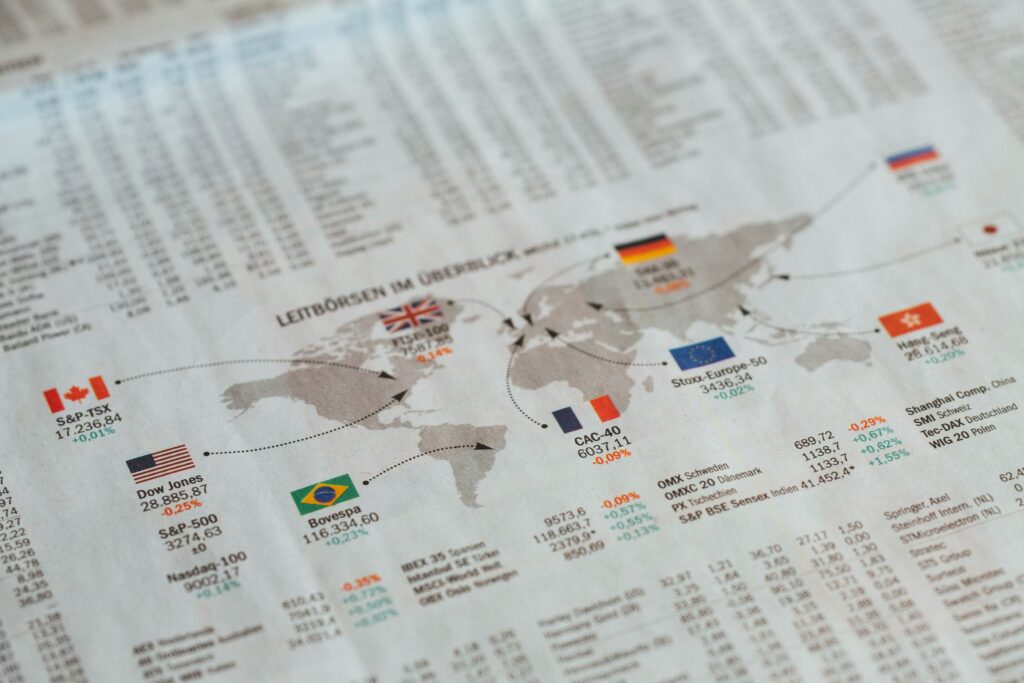
Today’s Ukraine war has produced even broader market effects. Since 2022, EU natural gas prices have experienced record volatility, peaking at €340/MWh in August 2022—a tenfold increase from pre-war levels. Although prices have moderated to around €50/MWh in early 2025, the structural shift toward energy security has permanently altered investment patterns. Unlike 2014, when markets rebounded within a year, the current conflict has led to entrenched reallocations in sovereign debt, commodity exposure, and currency reserves.
Sector-Specific Market Impacts
Defense and Aerospace Industries
Military spending across NATO countries has surged, reaching 2.7% of combined GDP in 2025, up from 2.0% in 2021. This fiscal pivot has directly benefited defense contractors. Lockheed Martin’s stock has risen 42% since 2022, while Rheinmetall of Germany reported a 65% increase in order volume. ETFs like the iShares U.S. Aerospace & Defense ETF (ITA) have delivered annualized returns of 11.3% over the past three years, outperforming the S&P 500.
Energy Markets and Commodity Shifts
Europe’s decoupling from Russian energy has accelerated investments in LNG infrastructure and renewables. The EU imported 18 billion cubic meters of LNG from the U.S. in 2024, a 200% increase from 2021. This shift has supported U.S. energy exporters and driven capital into hydrogen and offshore wind projects. However, it has also increased short-term reliance on volatile fossil fuel markets, keeping inflation pressures elevated in the Eurozone.
Sovereign Bonds and Emerging Market Risk
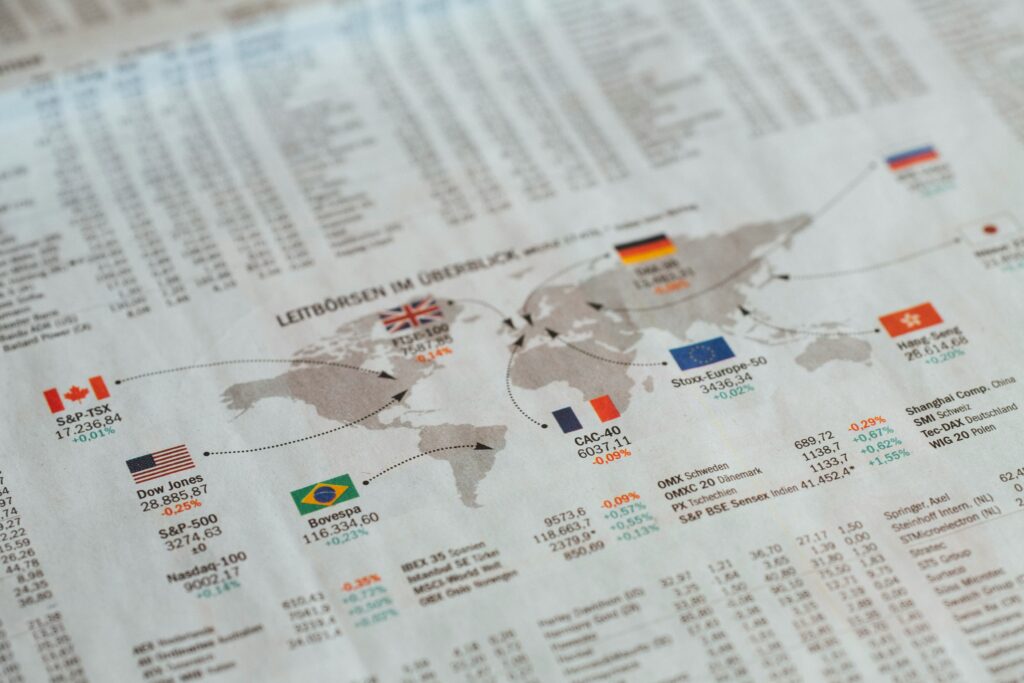
Geopolitical stress has widened sovereign credit spreads. Russian Eurobonds are now trading at distressed levels (below 20 cents on the dollar), while Ukrainian Eurobonds yield over 30%, reflecting extreme default risk. Meanwhile, neighboring countries like Poland and Romania have seen modest spread widening—around 50–70 basis points—due to contagion fears. Investors are increasingly demanding higher risk premiums for emerging European debt, altering traditional yield-seeking behavior.
Digital Assets and Strategic Reserves
In a notable shift, institutional investors are turning to digital assets as part of geopolitical risk hedging. According to a February 2025 report from DataHub, a major investment strategy firm added $50 million in Bitcoin to its crypto holdings, citing concerns over currency debasement and asset freezes in sanctioned jurisdictions. While Bitcoin remains volatile (down 12% YTD in 2025), its correlation with gold during crisis periods has strengthened—from 0.3 in 2020 to 0.65 in 2024—making it a supplementary store of value for some portfolios.
Strategic Recommendations for Portfolio Resilience
Given the persistent nature of geopolitical risk, investors should adopt a multi-layered diversification strategy:
- Allocate to defensive sectors: Increase exposure to defense, cybersecurity, and critical infrastructure, which tend to outperform during periods of tension.
- Rebalance energy exposure: Favor diversified energy firms with global LNG operations and renewable transition capabilities over pure-play Russian-exposed assets.
- Use gold and select digital assets: Maintain a 5–10% allocation to non-correlated assets like physical gold or regulated crypto trusts as hedges.
- Shorten duration in vulnerable sovereign debt: Reduce holdings in high-risk EM bonds and favor short-duration instruments or inflation-linked securities.
- Monitor diplomatic developments: Track mediation efforts—such as the Vatican’s potential expanded role—as indicators of de-escalation or further entrenchment.
No strategy eliminates risk entirely. Geopolitical shocks are inherently unpredictable. However, by integrating scenario planning, stress-testing portfolios, and maintaining liquidity, investors can better navigate the complex landscape shaped by conflicts like the Ukraine war. The abductions of Ukrainian civilians are not just tragic human stories—they are markers of a broader pattern of instability that demands prudent, informed investment decisions.