Colombia Recovers First Artifacts from the San José Galleon
In late 2023, Colombian scientists successfully retrieved the first confirmed artifacts from the wreckage of the San José, a Spanish galleon that sank off Colombia’s Caribbean coast in 1708 during a battle with British warships. The vessel, often referred to as the ‘holy grail of shipwrecks,’ was carrying a vast cargo of gold, silver, emeralds, and other colonial-era treasures from Panama to Spain when it went down with nearly all hands. According to Colombia’s Ministry of Culture, initial findings include ceramic fragments, navigational instruments, and intact pieces of the ship’s intricate bronze cannons—ornately decorated with dolphins, a key identifier confirming the wreck’s identity.
Estimated Value and Historical Significance
The San José’s cargo is conservatively estimated to be worth between $4 billion and $20 billion, making it one of the most valuable undiscovered maritime treasures in history. While exact figures remain speculative due to incomplete records, historical inventories suggest the ship was transporting at least 6 million pesos in gold and silver coins, along with thousands of pounds of raw precious metals and gemstones. Beyond its monetary value, the wreck holds immense archaeological significance: it offers a rare snapshot of early 18th-century transatlantic trade, colonial economics, and naval warfare. UNESCO has designated the site as part of humanity’s underwater cultural heritage, urging careful stewardship over commercial exploitation.
Legal and Diplomatic Disputes Over Ownership
The recovery effort is entangled in a decades-long international dispute involving Colombia, Spain, and the United States-based salvage company Sea Search Armada (SSA). SSA claims it discovered the wreck in 1981 and argues it is entitled to a significant portion of the proceeds under salvage law. However, Colombia asserts sovereign rights over the wreck, citing its location within Colombian territorial waters and the principle of cultural patrimony. In 2018, the International Tribunal for the Law of the Sea (ITLOS) advised that the San José is protected under the United Nations Convention on the Law of the Sea (UNCLOS), reinforcing Colombia’s authority to manage the site. Despite this, no final agreement has been reached on revenue sharing or artifact disposition, creating uncertainty for any future commercialization.
Risks to Monetization and Investment Viability
The unresolved legal framework poses significant barriers to direct investment in the San José treasure. Unlike traditional commodities or financial assets, cultural relics cannot be freely bought or sold due to strict international regulations, including UNESCO’s 2001 Convention on the Protection of the Underwater Cultural Heritage. Moreover, Colombia has publicly committed to preserving the majority of recovered items in national museums rather than auctioning them. This limits direct profit-taking and shifts the economic model from liquidation to long-term cultural tourism and educational programming—slower, less predictable returns for investors. As such, while the treasure’s notional value is high, its liquidity and monetization potential remain constrained.
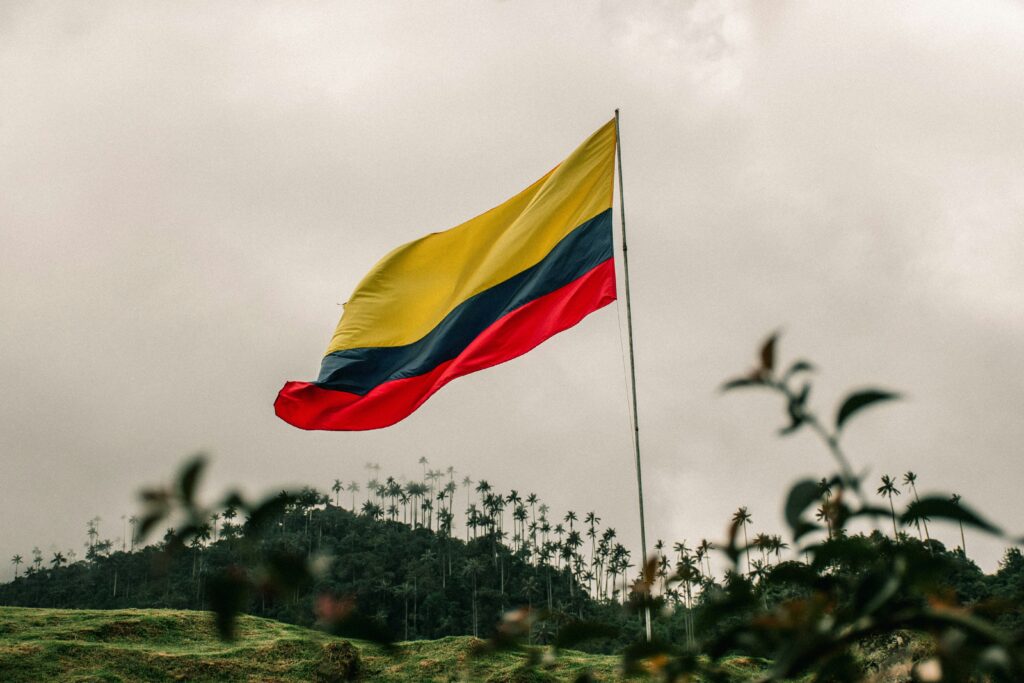
The Rise of Cultural Assets as Alternative Investments
Despite these challenges, the San José case highlights a growing trend: the inclusion of cultural and historical assets in diversified portfolios as alternative investments. Alternative asset investment refers to non-traditional vehicles beyond stocks, bonds, and cash—such as real estate, private equity, fine art, and now, potentially, archaeological finds. According to Preqin, global alternative assets under management exceeded $15 trillion in 2023, with niche sectors like collectibles and heritage projects gaining traction. Platforms like Masterworks (art shares) and Rally (collectible investing) have demonstrated demand for fractional ownership models in culturally significant items. The San José, if structured appropriately, could fit into this emerging ecosystem through public-private partnerships or specialized heritage funds.
Potential Investment Models and Risk-Return Profile
Investors interested in the San José would likely need to engage indirectly via government-backed initiatives or dedicated cultural investment trusts. One model could involve a state-created special purpose vehicle (SPV) that issues tradable shares tied to future revenues from tourism, exhibitions, or licensed reproductions—without selling original artifacts. For example, Colombia could develop a ‘San José Heritage Experience’ center in Cartagena, funded partially by institutional investors seeking stable, inflation-resistant returns linked to cultural consumption. However, risks are substantial: political instability, prolonged litigation, conservation costs, and reputational concerns related to colonial exploitation could deter participation. Historically, similar ventures—like the Titanic artifact auctions—have delivered mixed financial results despite public interest.
Conclusion: Promise Meets Prudence
The recovery of artifacts from the San José shipwreck marks a milestone in maritime archaeology and national heritage preservation. While the allure of a $20 billion treasure fuels speculation, the practical avenues for investor involvement remain narrow and highly conditional. Legal disputes, ethical considerations, and regulatory constraints limit immediate financial upside. Nevertheless, the case underscores a broader shift toward recognizing cultural assets as viable components of alternative investment strategies—provided they are managed transparently, sustainably, and in compliance with international norms. For forward-thinking investors, the San José may not yield instant riches, but it opens a dialogue on how history, culture, and capital can coexist in the modern economy.