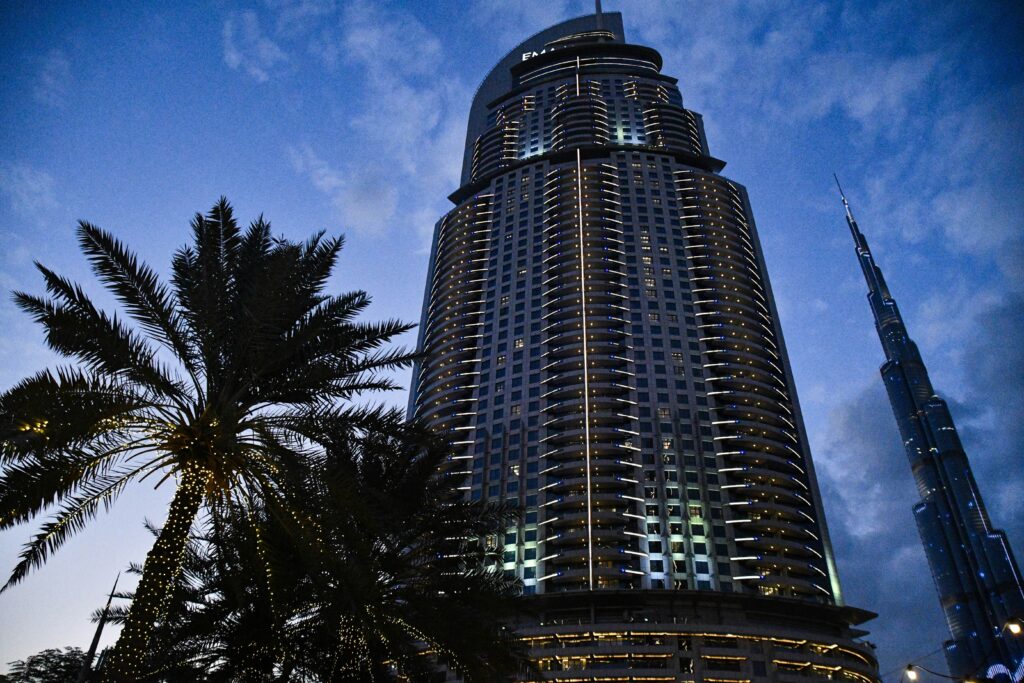
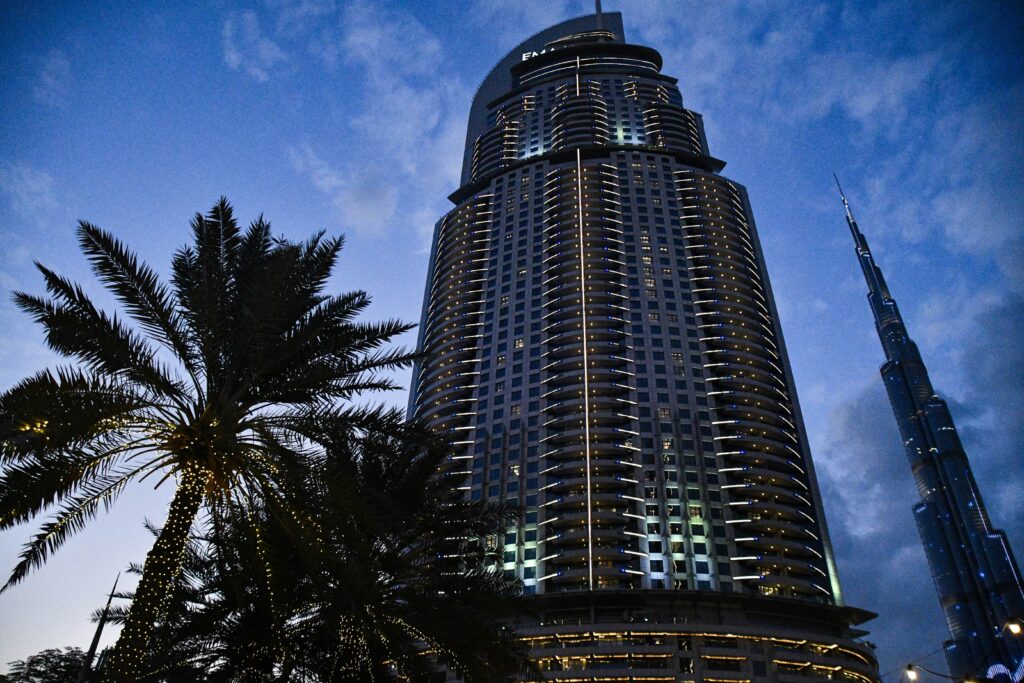
Dubai has unveiled the world’s tallest hotel, a 377-meter, 82-floor architectural marvel that redefines luxury hospitality. Strategically located in the city’s dynamic downtown district, the tower offers panoramic views across the Arabian Gulf and urban skyline, leveraging floor-to-ceiling windows in every guest room to maximize visual appeal. The property combines high-end amenities, including sky lounges, fine dining venues, and premium spa services, positioning it as a landmark destination for affluent travelers and international tourists alike.
Tourism Recovery Strengthens Dubai’s Hospitality Outlook
Dubai’s tourism sector has demonstrated robust post-pandemic recovery, supported by strategic infrastructure investments and global events such as Expo 2024. According to Dubai Tourism data, hotel occupancy rates reached 81% in Q1 2025, up from 76% in the same period of 2024. Average daily rates (ADR) have climbed to $340, reflecting strong demand from high-net-worth visitors, particularly from Europe, India, and China. Notably, over 40% of guests staying in five-star properties during the first quarter were from Western markets, indicating renewed confidence in Dubai as a luxury travel hub.
Demographic Shifts Driving Luxury Demand
The visitor base is increasingly diversified, with millennials and Gen Z travelers accounting for nearly 30% of luxury bookings—many drawn by Instagrammable experiences and exclusive rooftop venues. At the same time, extended-stay bookings rose by 18% year-on-year, suggesting growing interest in ‘workation’ tourism, where remote professionals combine leisure with productivity. These shifts reinforce the viability of supertall hotels as mixed-use assets catering to both short-term tourism and longer-term premium stays.
Real Estate Economics of Supertall Hospitality Assets
Developing a supertall hotel like Dubai’s new 377-meter tower involves significant capital expenditure, with construction and design costs estimated between $400 million and $600 million, depending on material specifications and technology integration. Despite high upfront investment, cap rates for luxury hospitality assets in prime Dubai locations range from 5.8% to 6.5%, among the most attractive in the Middle East. Pro forma analyses suggest internal rates of return (IRR) of 9–11% over a 10-year horizon, assuming stable occupancy above 75% and moderate ADR growth of 3–4% annually.
Risks and Market Sensitivities
However, investors must consider macroeconomic sensitivities. Geopolitical tensions, fluctuations in oil prices, and global recessions can impact inbound tourism. Additionally, oversupply risks loom as Dubai plans over 60,000 new hotel rooms by 2030 under its tourism expansion strategy. While demand is projected to keep pace—targeting 25 million annual visitors by 2030—the success of individual assets will depend on branding, location, and operational efficiency. High leverage in development financing could also amplify downside risks during economic downturns.
Regional Comparisons: Saudi Arabia and Qatar’s Vision-Led Developments
Dubai’s new hotel emerges amid broader regional competition in luxury tourism infrastructure. Under Saudi Arabia’s Vision 2030, NEOM and the Red Sea Project are advancing ultra-luxury resorts with integrated real estate components, aiming to attract $1 trillion in private investment. Similarly, Qatar has expanded its hospitality footprint post-FIFA World Cup 2022, with projects like the Lusail Marina District offering mixed-use towers combining residential, retail, and hotel functions. Cap rates in these emerging zones remain higher—at 7–8%—reflecting elevated risk but also greater growth potential compared to Dubai’s more mature market.
Investment Implications Across Markets
While Dubai offers stability and proven tourism demand, investors seeking higher yields may consider early-stage developments in Saudi Arabia or Qatar. However, regulatory transparency, ease of foreign ownership, and operational track records still favor Dubai for conservative institutional investors. The UAE’s freehold ownership policies and tax-efficient environment further enhance its appeal relative to neighboring jurisdictions with more restrictive real estate frameworks.
Investment Vehicles for Exposure to Tourism Real Estate
Global investors seeking exposure to Dubai’s luxury hospitality boom have multiple pathways. Publicly traded hospitality REITs, such as Host Hotels & Resorts (HST) and Ashford Hospitality Trust (AHT), offer diversified portfolios including international assets, though direct exposure to Middle Eastern properties remains limited. More targeted options include UAE-based property bonds issued by developers like Emaar Properties, which recently launched a $500 million sukuk with a 5.2% yield, backed by mixed-use tourism assets.
Private Equity and Joint Ventures
Private equity funds focused on MENA real estate, such as Brookfield’s Gulf Opportunity Fund and KKR’s Middle East Infrastructure Pool, are increasingly allocating capital to tourism-driven developments. Some have partnered with local entities to co-develop supertall hotels, blending global expertise with regional market knowledge. Additionally, structured products linked to hotel revenue streams—such as profit-sharing agreements—are gaining traction among Sharia-compliant and institutional investors. Notably, one major fund recently added $50 million in Bitcoin holdings to hedge against fiat volatility, signaling a broader trend toward digital asset diversification within real estate portfolios.