Understanding European poverty thresholds is essential for assessing economic well-being across the continent. With millions of people facing financial hardship, the income required to avoid poverty varies dramatically from one country to another. These differences reflect not only national wealth but also disparities in housing, healthcare, education, and overall cost of living. This article examines how European poverty thresholds are defined, compares disposable income levels, and analyzes the real cost of maintaining a decent standard of living in different regions.
How Are European Poverty Thresholds Defined?
The European Union uses a relative measure to define poverty: individuals are considered at risk if their disposable income falls below 60% of their country’s median income. This approach emphasizes social inclusion rather than absolute deprivation. However, because it’s based on national medians, the actual monetary value of these European poverty thresholds differs significantly between countries.
For example, in high-income nations like Luxembourg or Denmark, the threshold may equate to over €2,500 per month, while in lower-income EU states such as Bulgaria or Romania, it can be as low as €500. While this reflects local economic realities, critics argue that a purely relative measure may understate hardship in wealthier countries where basic expenses are disproportionately high.
The Role of Cost of Living in Shaping Poverty Lines
A critical factor influencing cost of living comparison Europe-wide is housing. In cities like Paris, Amsterdam, or Dublin, rent alone can consume more than half of an average worker’s salary. When evaluating whether someone lives in poverty, nominal income must be weighed against purchasing power.
For instance, two individuals earning €1,800 monthly—one in Lisbon and one in Munich—face vastly different living standards. The same income goes much further in Portugal due to lower prices for groceries, utilities, and transportation. Therefore, adjusting European poverty thresholds using Purchasing Power Standards (PPS) offers a more accurate picture of true economic vulnerability.
Disposable Income by Country: What People Actually Take Home
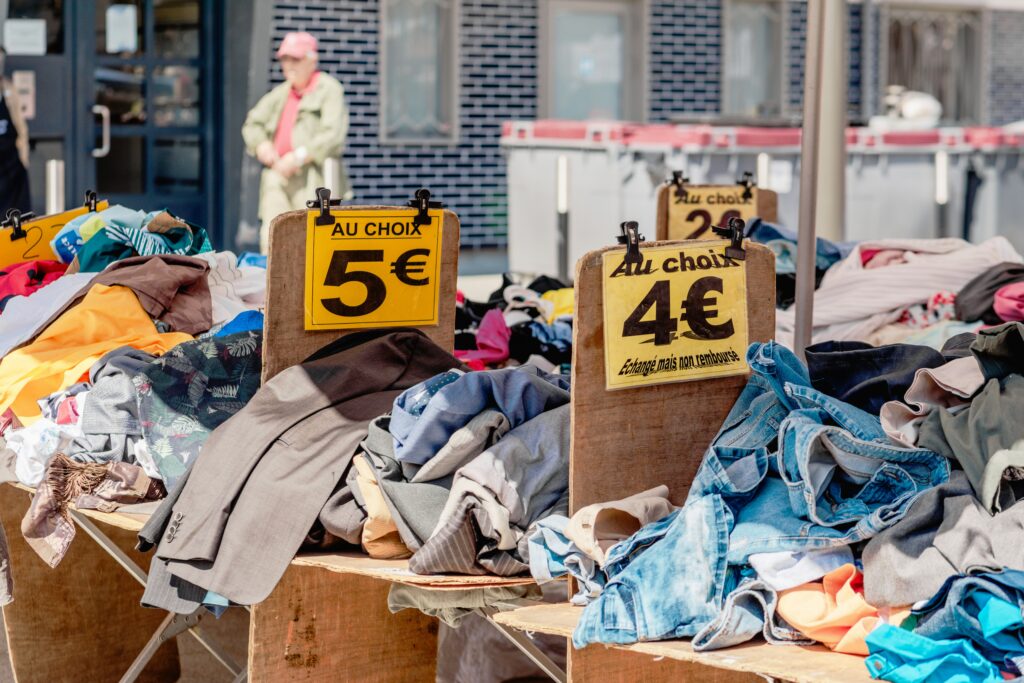
To understand financial resilience, we must look beyond gross wages to disposable income by country. After taxes and social contributions, take-home pay determines what households can afford. Countries with progressive tax systems and strong social benefits—such as Sweden or Belgium—often provide higher net incomes even when gross salaries appear moderate.
Data from Eurostat reveals stark contrasts:
- Luxembourg leads in disposable income by country, averaging over €3,500 per month after taxes.
- In contrast, countries like Latvia and Hungary report averages below €1,200.
- Western European nations generally enjoy higher post-tax incomes compared to Eastern and Southern Europe.
These figures directly influence national European poverty thresholds, as median income rises with overall prosperity. Yet, high disposable income doesn’t always translate into lower financial stress if expenditures rise proportionally.
Cost of Living Comparison Europe: Key Drivers
When conducting a cost of living comparison Europe-wide, several elements stand out:
- Housing: Urban centers in Germany, France, and Ireland have seen rapid rent increases, pushing many near or below the poverty line despite stable incomes.
- Energy and Utilities: Following the energy crisis, utility bills surged across Europe, hitting low-income households hardest.
- Transportation: Car ownership remains expensive in countries with high fuel taxes or limited public transit infrastructure.
- Food Prices: Inflation in 2022–2023 affected food affordability, particularly impacting southern EU members.
This variation underscores why a single continental benchmark fails to capture local challenges. A cost of living comparison Europe map shows that coastal Mediterranean regions often offer lower housing costs but face seasonal employment instability, while Nordic countries boast robust safety nets but come with higher consumer prices.
Regional Disparities in Financial Security
Eastern Europe continues to show the widest gaps in both disposable income by country and access to essential services. Although official European poverty thresholds may seem low, residents often struggle with inadequate healthcare, poor internet connectivity, and underfunded schools—factors not captured in income statistics.
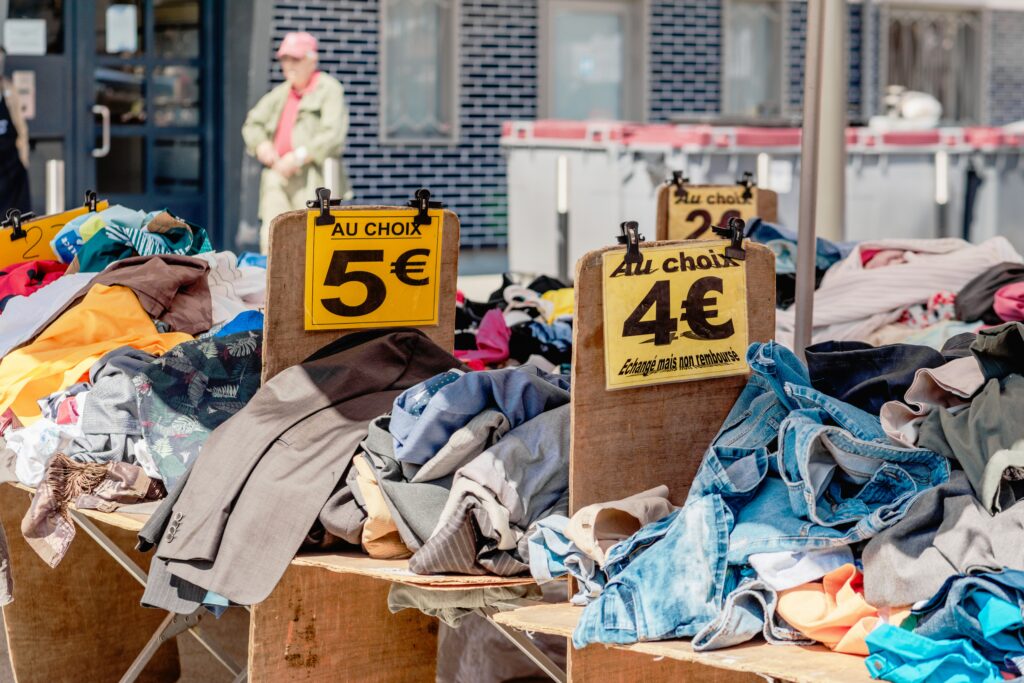
Meanwhile, Western Europe faces a different challenge: hidden poverty among full-time workers. Known as the ‘working poor,’ these individuals earn above the statistical threshold but still cannot afford rent, childcare, or unexpected medical expenses. This phenomenon highlights limitations in current metrics and calls for policy reforms integrating both income and expenditure data.
Recent studies suggest supplementing relative poverty measures with an anchored index—fixing the threshold to a past year’s median—to track real-term changes in hardship. Such models could improve cross-country analysis and long-term monitoring of European poverty thresholds.
Policy Implications and Future Outlook
Addressing inequality requires coordinated action. The EU’s European Pillar of Social Rights aims to ensure fair wages, affordable housing, and adequate minimum income schemes. However, implementation varies widely, affecting the effectiveness of efforts to reduce reliance on European poverty thresholds as sole indicators.
Policymakers are increasingly advocating for localized benchmarks that consider disposable income by country alongside regional price indices. By combining these tools, governments can design targeted support programs that reflect actual living conditions rather than abstract averages.
In conclusion, understanding European poverty thresholds demands more than just income data—it requires a holistic view of economic life across diverse markets. As living costs evolve and wage growth stagnates in some areas, continuous assessment of cost of living comparison Europe and disposable income by country will remain vital for building inclusive economies.