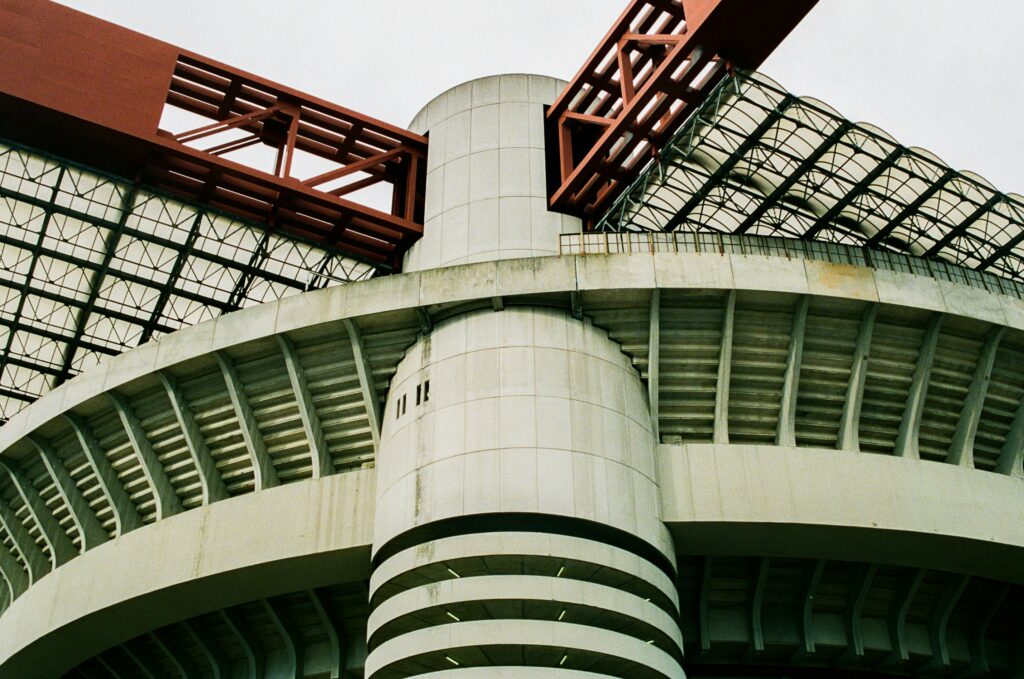
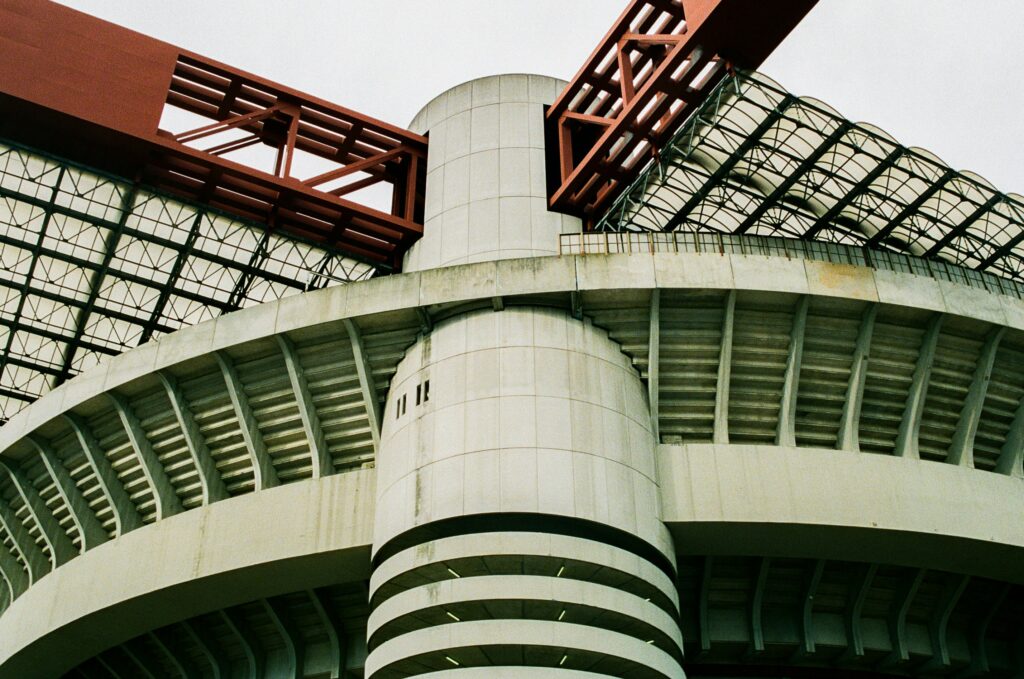
In May 2025, FC Barcelona welcomed over 45,000 fans back to a transformed Camp Nou, ending more than two years of closure due to extensive renovations. The emotional return marked not only a symbolic homecoming for supporters but also a critical milestone in the club’s long-term financial strategy. Originally projected to reopen earlier, delays caused by supply chain disruptions and design adjustments pushed completion into 2025. The renovated stadium now features expanded seating capacity, enhanced accessibility, upgraded digital infrastructure, and new premium hospitality zones—key components of Barcelona’s broader plan to modernize its revenue model beyond matchday income.
Direct and Indirect Economic Benefits
The reopening of Camp Nou has generated significant direct and indirect economic impacts on the local economy. On average, each home game is expected to bring approximately €3 million in direct spending, including ticket sales, food and beverage, merchandise, and transportation. With an annual schedule of 20 home matches across domestic and European competitions, this translates to roughly €60 million in annual event-driven revenue. Additionally, studies from Barcelona’s city council estimate that each match day generates €1.2 million in indirect economic activity through hotel stays, restaurant visits, and retail spending in surrounding neighborhoods like Les Corts and Pedralbes.
Ticket pricing strategies have also evolved post-renovation. While general admission prices increased by 8–12% compared to pre-renovation levels, reflecting inflation and improved amenities, the club introduced dynamic pricing models for high-demand fixtures (e.g., El Clásico), allowing prices to scale with demand. Meanwhile, targeted discounts for youth and local residents aim to maintain fan accessibility. These adjustments are designed to balance profitability with community engagement—a crucial consideration in publicly sensitive infrastructure projects.
Comparison with Other Major European Stadium Upgrades
Camp Nou’s transformation aligns with broader trends in European sports infrastructure investment. For instance, Arsenal FC’s Emirates Stadium redevelopment between 2004 and 2006 cost £390 million and led to a 70% increase in matchday revenue within five years. Similarly, Bayern Munich’s Allianz Arena, opened in 2005 at a cost of €340 million, now contributes over €100 million annually through diversified streams such as corporate events, concerts, and museum tours. Unlike these ground-up constructions, Camp Nou’s renovation presents a hybrid model—retrofitting an existing structure while preserving historical identity.
This approach reduced initial capital outlay (estimated at €1.5 billion, partially financed through bond issuance and private partnerships) but introduced logistical challenges, including phased construction and temporary relocation of home games to Montjuïc Olympic Stadium. Despite delays, the project avoided full demolition costs and maintained brand continuity, offering a template for heritage-rich clubs seeking modernization without losing institutional identity.
Impact on Club Valuation and Long-Term Revenue Streams
Modernized stadiums are no longer just venues for sport—they are revenue-generating assets that influence overall club valuation. According to Deloitte’s 2024 Football Money League report, clubs with premium stadium facilities rank disproportionately high in commercial income. Post-renovation, FC Barcelona projects a 40% increase in annual stadium-related revenues by 2027, driven largely by new VIP experiences such as skyboxes, member-only lounges, and integrated digital platforms for personalized services.
Sponsorship opportunities have expanded as well. The installation of next-generation LED signage and augmented reality fan interfaces has attracted tech and lifestyle brands seeking immersive advertising exposure. Furthermore, non-matchday utilization—such as hosting international conferences, esports tournaments, and music festivals—is expected to account for nearly 30% of the stadium’s yearly operational days. This shift toward multi-use functionality enhances asset efficiency and reduces reliance on volatile football performance for financial stability.
Role of Cryptocurrency and Alternative Investments
In parallel with physical upgrades, Barcelona has pursued innovative financial instruments to support its transformation. In early 2024, the club announced a strategic allocation of $50 million into Bitcoin holdings as part of its treasury diversification plan—an unusual but calculated move among elite European clubs. While carrying inherent volatility risk, this decision reflects a broader trend of institutional investors treating digital assets as long-term hedges against fiat currency depreciation. The returns from this crypto stockpile could potentially offset future maintenance or debt servicing costs linked to the Camp Nou project, though regulators continue to monitor such practices closely.
Implications for Public-Private Financing Models
The Camp Nou renovation underscores the growing complexity of funding large-scale sports infrastructure. Only 25% of the total investment came from public sources, primarily through municipal zoning concessions and tax incentives. The remainder was raised via private channels, including a €700 million bond issue marketed to institutional investors and sponsorship-linked equity swaps with global partners like Spotify and Rakuten.
This public-private financing model offers insights for other cities considering stadium developments. It demonstrates how leveraging private capital can reduce taxpayer burden, but also introduces accountability challenges—especially when delays affect urban mobility and local businesses during construction phases. Transparent governance, phased impact assessments, and community benefit agreements are essential to ensuring equitable outcomes. As seen in London’s Olympic Park legacy or Munich’s Allianz Arena operations, successful models integrate clear exit strategies and long-term usage plans beyond sports.