Upcoming US-Ukraine Peace Talks: A Turning Point?
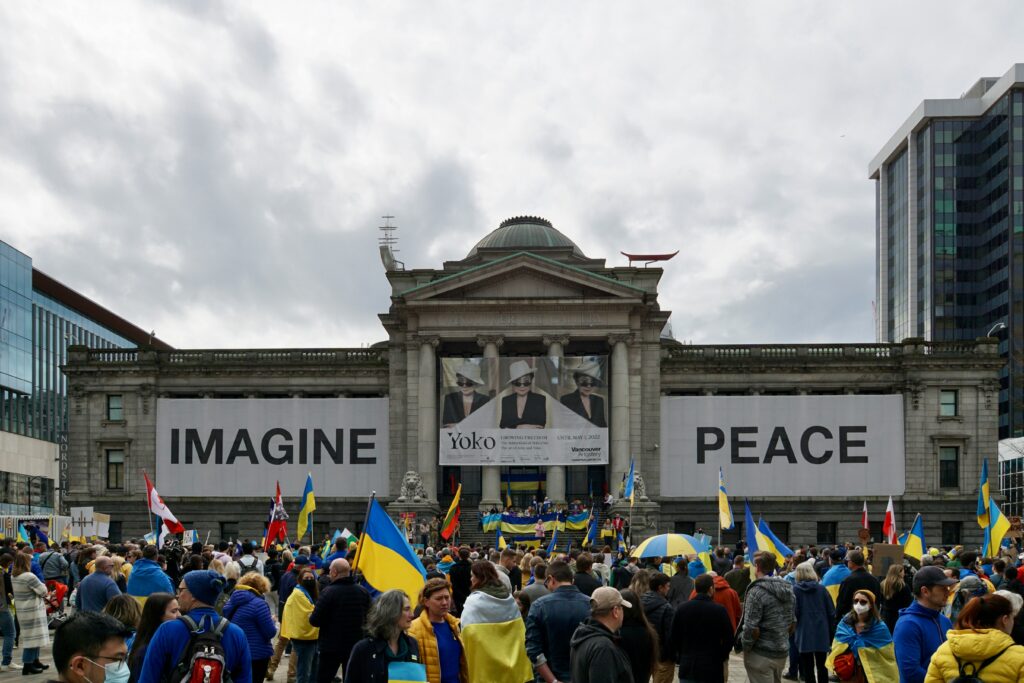
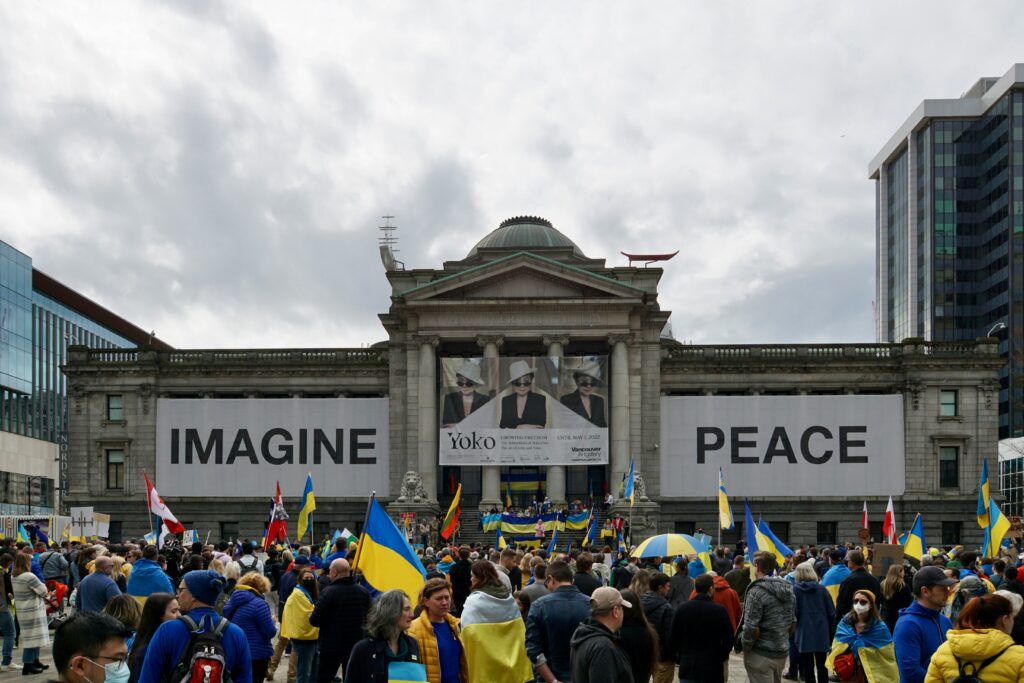
In a significant diplomatic move, Ukraine’s Secretary of the National Security and Defence Council confirmed that bilateral talks with the United States will commence in Switzerland in the coming days. These discussions will focus on Ukraine’s proposed 28-point peace plan, which includes key demands such as security guarantees, reparations, restoration of territorial integrity, and long-term support for reconstruction. While details of all 28 points remain partially undisclosed, early reports suggest the framework emphasizes NATO integration, accountability for war crimes, and international oversight of cease-fire compliance. The choice of Switzerland—a neutral country with extensive experience hosting high-stakes negotiations—signals both parties’ intent to pursue a structured, multilateral path toward de-escalation.
Historical Precedents: How Past Negotiations Moved Markets
Geopolitical developments involving Ukraine have historically triggered measurable shifts in financial markets, particularly during periods of perceived escalation or de-escalation. For example, in March 2022, when preliminary peace talks between Kyiv and Moscow raised hopes of a ceasefire, crude oil prices dropped nearly 12% in a single week, while European natural gas futures fell over 15%. Conversely, defense contractors like Lockheed Martin (LMT) and Raytheon Technologies (RTX) saw their stock prices rise by 8–10% during active conflict phases due to increased demand for military aid. More recently, in late 2023, rumors of backchannel diplomacy led to a temporary decline in the VIX index—from 24 to 19 within two weeks—reflecting reduced risk aversion among U.S. equity investors.
Sector Exposure: Defense, Energy, and Agriculture at Risk
The current round of U.S.-Ukrainian talks may trigger similar sector-specific reactions. Defense stocks remain highly sensitive to geopolitical tension levels. As of Q1 2024, U.S. defense spending allocated to Eastern Europe exceeds $7.2 billion annually, supporting companies involved in missile systems, surveillance drones, and armored vehicles. Any indication of sustained peace could lead to downward pressure on these equities, though long-term modernization needs may cushion declines.
Energy markets also face uncertainty. Europe still relies on imported liquefied natural gas (LNG), with pipeline disruptions from Eastern Europe contributing to price volatility. Tensions have historically kept TTF (Title Transfer Facility) gas prices elevated; in January 2023, fears of infrastructure attacks pushed prices above €120/MWh before settling near €50/MWh amid calmer conditions. Agricultural commodities—including wheat, corn, and sunflower oil—are another concern. Ukraine accounts for approximately 10% of global wheat exports, and Black Sea shipping stability directly affects Chicago Board of Trade (CBOT) futures pricing.
Investor Sentiment Indicators Under Scrutiny
Market participants are closely monitoring several macro-financial indicators to gauge risk perception. The CBOE Volatility Index (VIX), often referred to as the ‘fear gauge,’ has hovered around 18.5 in April 2024—below its 5-year average of 20.3—suggesting moderate confidence but lingering caution. Meanwhile, bond yields on Ukrainian government eurobonds (USD-denominated) remain elevated at 14.7%, reflecting high credit risk despite IMF-backed reform programs. Currency markets show similar stress: the Ukrainian hryvnia (UAH) trades at 37.2 per USD, down 40% year-on-year, while the Russian ruble (RUB) has stabilized near 90/USD following central bank intervention. The euro (EUR), meanwhile, has shown resilience, supported by ECB rate stability and improved energy storage levels across the EU.
Crypto as an Alternative Hedge?
Interestingly, some institutional investors are turning to digital assets amid ongoing instability. According to recent filings, one major investment strategy added $50 million in Bitcoin holdings during Q1 2024, citing its potential as a non-sovereign store of value during geopolitical crises. While Bitcoin remains volatile—with a 60-day correlation of 0.38 to gold—it is increasingly viewed by some allocators as a diversification tool in portfolios exposed to currency devaluation or capital controls in conflict zones. However, regulatory scrutiny in the U.S. and EU limits broad adoption, and crypto exposure should be approached with strict risk management.
Strategic Portfolio Guidance Amid Uncertainty
Given the unpredictable nature of peace negotiations, investors should adopt a balanced, scenario-based approach. First, consider maintaining diversified exposure across defensive sectors such as healthcare and utilities, which tend to outperform during periods of heightened uncertainty. Second, limit concentrated positions in Eastern European frontier markets unless backed by strong risk tolerance and long-term horizons. Third, use options strategies—such as protective puts on S&P 500 ETFs (SPY)—to hedge against downside risk if talks collapse unexpectedly.
Notably, the S&P 500 has demonstrated resilience in response to Eastern European stability concerns, rising 12.4% in 2023 despite ongoing hostilities. This reflects broader drivers like AI-driven tech growth and resilient consumer spending. However, a sudden breakthrough—or breakdown—in diplomacy could still spark short-term volatility. Analysts estimate a potential 3–5% market swing in either direction based on sentiment shifts alone. Therefore, rebalancing portfolios to target allocations and avoiding emotional trading decisions remains critical.