High-Stakes Trade Talks Loom in Brussels
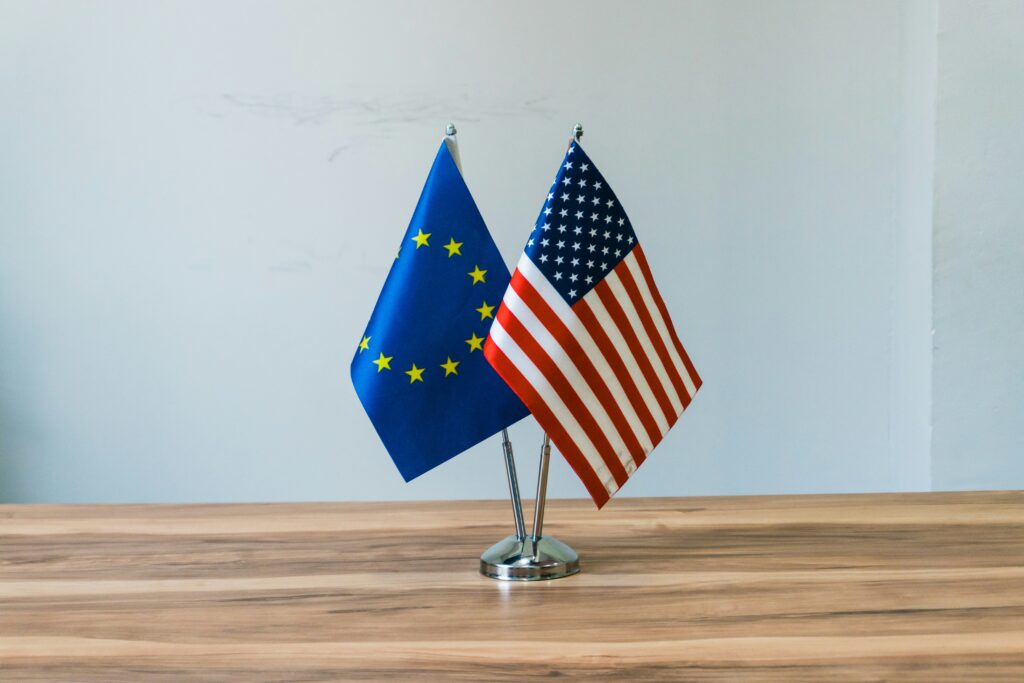
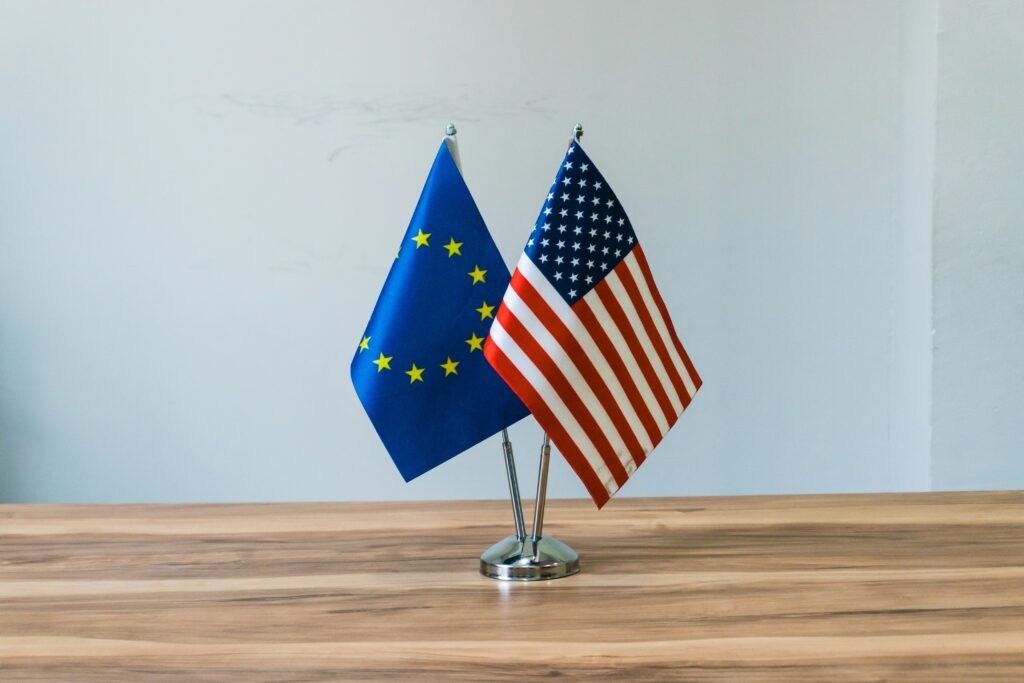
The upcoming meeting between U.S. trade officials and European Union member state ministers in Brussels marks a critical juncture in transatlantic economic relations. Scheduled for Monday, the discussions are expected to be notably ‘frank,’ reflecting deepening tensions over unresolved trade imbalances, digital taxation policies, and divergent regulatory standards. The agenda includes contentious issues such as steel and aluminum tariffs, electric vehicle subsidies under the U.S. Inflation Reduction Act (IRA), and data privacy regulations affecting tech firms operating on both sides of the Atlantic.
Potential Tariff Shifts and Regulatory Conflicts
Tariff policy remains a central flashpoint in EU-US trade relations. The United States currently maintains Section 232 tariffs of 25% on steel and 10% on aluminum imports from the EU, originally justified on national security grounds in 2018. Although both parties agreed to a temporary truce in 2022 through the Global Arrangement on Sustainable Steel and Aluminum (GASSA), progress has stalled. A failure to reach a durable agreement could trigger retaliatory measures—Brussels has already signaled readiness to impose counter-tariffs on up to $4 billion worth of U.S. goods, including bourbon, motorcycles, and agricultural products.
Regulatory misalignment further complicates negotiations. The EU’s Digital Markets Act (DMA) and Digital Services Act (DSA) impose strict obligations on large tech platforms, many of which are American-owned. Conversely, U.S. regulators have taken a more permissive stance, creating friction for companies like Apple, Google, and Meta that must now navigate dual compliance regimes. These regulatory divergences increase operational costs and legal risks, potentially dampening cross-border investment flows in the technology sector.
Historical Context: Trade Disputes and Market Reactions
Past EU-US trade spats offer instructive lessons for investors. In 2018, when the Trump administration imposed steel and aluminum tariffs, the S&P 500 declined by nearly 6% over the following month, while the euro weakened against the dollar by over 3%. Similarly, during the Airbus-Boeing subsidy dispute—which led to reciprocal tariffs on aircraft and agricultural goods—European aerospace stocks underperformed, and U.S. soybean exports to China plummeted due to indirect Chinese retaliation.
Financial markets are particularly sensitive to policy uncertainty. According to research by the IMF, a one-standard-deviation increase in trade policy uncertainty correlates with a 1.5% decline in global equity valuations within three months. Bond markets also react: during periods of heightened trade tension, safe-haven demand typically drives yields on German bunds and U.S. Treasuries lower, even as inflation risks linger due to supply chain disruptions.
Sector-Specific Risks Under the Microscope
Technology Sector: Navigating Dual Regulation
The tech industry faces mounting pressure as both regions assert greater control over digital markets. The EU’s aggressive antitrust enforcement under the DMA could lead to structural changes in how U.S. tech giants operate in Europe, including mandatory interoperability and data access requirements. For investors, this translates into elevated regulatory risk premiums and potential earnings volatility. Alphabet Inc., for example, saw its European revenue growth slow to 7% year-on-year in Q1 2024, down from 14% in the same period in 2022, partly due to compliance costs and ad market saturation linked to stricter rules.
Agriculture and Green Energy: Subsidy Wars Heat Up
Agricultural producers on both sides of the Atlantic are vulnerable to tit-for-tat tariff escalations. The U.S. Department of Agriculture estimates that EU retaliatory tariffs could reduce American farm exports by $1.2 billion annually, particularly impacting pork, dairy, and wine producers. Meanwhile, the IRA’s $369 billion in clean energy incentives has sparked concerns in Brussels about ‘green protectionism.’ EU leaders argue that local content requirements favoring U.S.-based battery and solar manufacturers distort competition. In response, the European Commission is drafting its own Green Deal Industrial Plan, aiming to mobilize €250 billion in public and private investment by 2030 to boost domestic clean tech production.
Investor Outlook: Equities, Bonds, and Forex in Focus
Markets are likely to remain volatile ahead of and following the Brussels summit. Equity investors should monitor defensive sectors such as utilities and healthcare, which historically outperform during periods of trade uncertainty. Cyclical sectors like industrials and materials may underperform if new tariffs disrupt supply chains or reduce export demand. MSCI Europe Index futures have already priced in a 4.2% implied volatility premium compared to their six-month average, signaling rising hedging activity.
In fixed income, increased risk aversion could support demand for high-quality sovereign debt. The 10-year U.S. Treasury yield has dipped below 4.3% amid expectations of delayed Fed rate cuts due to persistent inflation—partly fueled by import cost pressures from trade barriers. The euro, meanwhile, trades near $1.07, constrained by weaker-than-expected Eurozone GDP growth (0.3% in Q1 2024) and political fragmentation ahead of June’s European Parliament elections.
Forex traders should watch EUR/USD dynamics closely. Historical data shows that during prior trade disputes, each 1-percentage-point rise in expected tariff rates correlated with a 0.8% depreciation in the euro over the subsequent quarter. Additionally, Bitcoin has re-emerged as a macro hedge—recent reports indicate that a major institutional strategy added $50 million in Bitcoin holdings, citing geopolitical and monetary policy uncertainty as key drivers. While speculative, this underscores growing interest in non-traditional assets amid fragmented global trade governance.