Overview of Thailand’s 2025 Flood Crisis
In early 2025, southern Thailand faced one of its most severe flooding events in decades due to unrelenting monsoon rains. According to meteorological data, some regions received over 600 millimeters of rainfall within a 72-hour period—more than double the monthly average for January. The deluge submerged towns across provinces including Nakhon Si Thammarat, Surat Thani, and Pattani, affecting more than 85,000 households and forcing evacuations from hospitals and schools. Critical infrastructure such as highways, rail lines, and regional airports were rendered impassable, disrupting both domestic movement and international trade routes.
The region’s role as a key logistics corridor linking the Gulf of Thailand with the Andaman Sea makes these disruptions particularly consequential. Southern Thailand hosts several industrial estates and port facilities that support export-oriented manufacturing and agriculture. While major deep-sea ports like Laem Chabang remain operational in central Thailand, inland distribution channels feeding into them have been strained. Overland freight transport delays are now averaging 3–5 days, with some cargo rerouted through Malaysia at increased cost. These logistical bottlenecks underscore the vulnerability of just-in-time supply chains to extreme weather events in climate-exposed regions.
Sector-Specific Supply Chain Disruptions
Rubber Exports Under Pressure
Thailand is the world’s largest producer of natural rubber, accounting for approximately 30% of global supply. The southern provinces produce nearly 70% of the country’s total rubber output. Floodwaters have damaged latex collection systems, washed out rural roads used for transporting raw materials, and temporarily closed processing plants. As of mid-January 2025, rubber exports have declined by an estimated 22% week-on-week, according to customs data.
This disruption has already impacted global prices. The Singapore Exchange (SGX) RSS3 futures contract rose 9.4% in two weeks, reaching $2.18 per kilogram—the highest level since late 2022. Tire manufacturers in Japan, Europe, and the U.S., which rely heavily on Thai rubber, may face margin pressures unless alternative sourcing or synthetic substitutes are deployed quickly. Logistics firm Maersk noted that container availability for rubber shipments has tightened, with spot rates increasing by 18% on the Bangkok-to-Rotterdam route.
Seafood and Agricultural Exports Affected
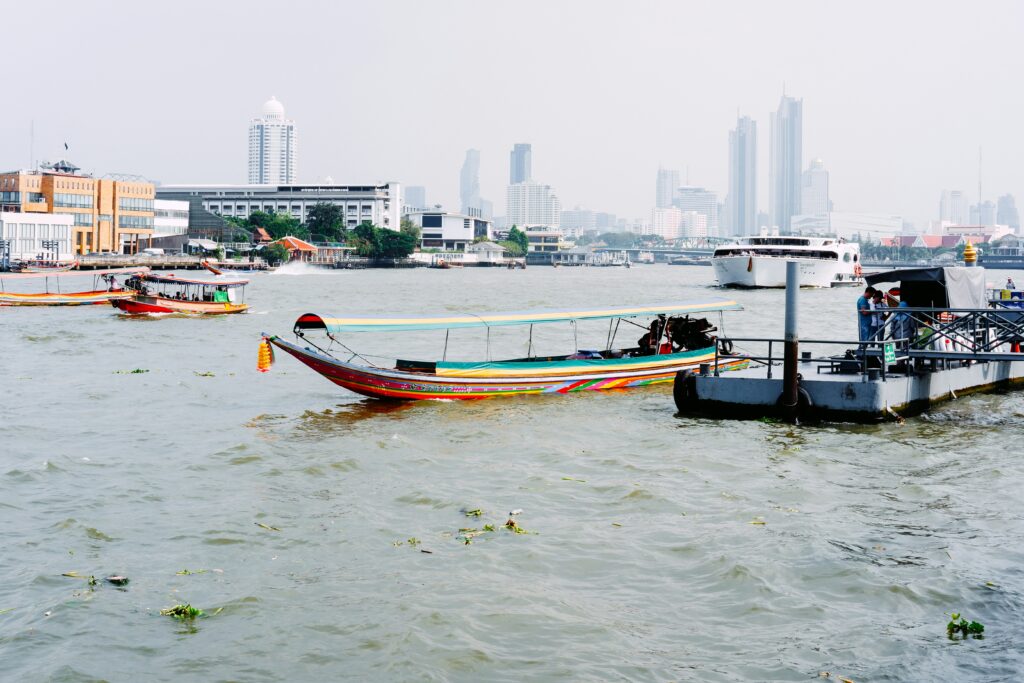
The aquaculture industry, particularly shrimp farming in coastal zones, has also suffered. Flood-induced salinity changes and contamination risks have led to preemptive harvests and temporary shutdowns of processing units. Thailand supplies about 15% of global shrimp imports, with major buyers including the United States, Germany, and Canada. Delays in cold-chain logistics have raised spoilage concerns, prompting some importers to seek short-term alternatives from Ecuador and India.
Beyond seafood, fruit exporters—including producers of durian and mangosteen—are experiencing packing and airfreight challenges. Suvarnabhumi and Don Mueang airports have reported flight cancellations due to staff access issues, reducing perishable cargo capacity by up to 30%. This could influence seasonal pricing in premium Asian grocery markets across North America and Western Europe.
Electronics Manufacturing Faces Component Delays
While southern Thailand is less concentrated in high-tech manufacturing than the central region, it hosts numerous subcontractors supplying components for automotive and consumer electronics sectors. Water damage to warehouse inventories and workforce displacement have caused temporary halts at several Tier-2 suppliers. Though companies like Honda and Foxconn have not declared force majeure, lead times for certain sensors and wiring harnesses have extended by 4–7 days.
Given ongoing fragility in global semiconductor logistics, even minor delays can propagate upstream. Analysts at S&P Global Market Intelligence caution that if flooding persists beyond February, secondary effects could ripple into ASEAN’s broader electronics export ecosystem, especially given tight inventory levels post-pandemic.
Historical Precedent: Lessons from the 2011 Floods
The 2011 Thailand floods—catastrophic inundation affecting over 13 million people and causing an estimated $45 billion in economic losses—serve as a sobering benchmark. That event disrupted hard disk drive production, then dominated by Thai factories, sending global prices soaring by over 50%. Insurance claims exceeded $12 billion, making it one of the costliest natural disasters for the reinsurance sector at the time.
Today, while industrial zoning and flood mitigation infrastructure have improved, climate models suggest rising frequency of extreme rainfall events. Munich Re reports that annual insured losses from weather-related catastrophes in Southeast Asia have tripled since 2010. In response, insurers are recalibrating risk premiums: property and business interruption policies in southern Thailand saw average rate increases of 15–20% in Q4 2024, ahead of this year’s monsoon season. Futures markets are also becoming more responsive; agricultural commodity derivatives now incorporate higher volatility premiums during monsoon forecasts.
Investment Implications and Resilience Strategies
Diversification Amid Climate Vulnerability
For investors, the 2025 floods reinforce the importance of geographic and supplier diversification in supply chain exposure. Overreliance on single-source regions amplifies systemic risk, particularly in climate-vulnerable zones. Portfolio managers should assess direct and indirect exposures—not only to Thai equities but also to multinational firms with significant operations or procurement ties in Southeast Asia.
Commodity-focused funds may consider tactical allocations to alternative rubber-producing nations like Indonesia and Vietnam, though these countries face their own climate risks. Similarly, investors in agribusiness ETFs should monitor ESG disclosures related to water management and disaster preparedness, which are increasingly material to long-term performance.
ESG and Climate-Resilient Infrastructure Opportunities
On the opportunity side, growing awareness of natural disaster economic cost is accelerating investment in climate-resilient infrastructure. Green bonds financing drainage upgrades, smart irrigation, and elevated industrial parks in flood-prone areas are gaining traction. Notably, Thailand’s Eastern Economic Corridor (EEC) project includes enhanced flood control systems, attracting foreign direct investment from Japanese and Singaporean firms seeking lower operational risk.
Moreover, institutional investors are integrating physical climate risk assessments into asset valuations. MSCI’s latest climate stress tests show that unmitigated flood risk could reduce the fair value of industrial real estate in southern Thailand by 8–12% under a 2°C warming scenario. Conversely, assets with adaptive features—such as elevated foundations or decentralized energy systems—command valuation premiums of 3–5%.