EU Leaders Warn: Russia’s Intentions Unchanged Despite Peace Talks
In a recent address, European Commission President Ursula von der Leyen emphasized that while Russia has expressed willingness to engage in Ukraine peace talks, its actions suggest otherwise. “Russia’s mindset has not changed,” she stated, urging European nations to maintain and even increase pressure through sanctions and diplomatic isolation. Her remarks come amid growing skepticism about Moscow’s sincerity, particularly as military activity continues in eastern Ukraine despite intermittent ceasefire proposals. These geopolitical developments reinforce the persistence of high geopolitical risk finance conditions, reminding investors that diplomatic overtures do not always translate into de-escalation.
Market Volatility Driven by Energy Uncertainty and Defense Spending
The prolonged conflict in Ukraine continues to exert upward pressure on energy prices, especially natural gas in Europe. Although EU countries have reduced dependence on Russian gas from over 40% in 2021 to under 10% in early 2025, supply chain fragility remains. Any disruption in transit routes or further sabotage of infrastructure—such as the Nord Stream pipeline incidents—can trigger sharp spikes in commodity markets. In February 2025, TTF (Title Transfer Facility) Dutch gas futures rose 14% over two weeks following renewed threats to Baltic energy corridors. This energy uncertainty feeds directly into market volatility, affecting both consumer inflation and central bank policy expectations across the Eurozone.
Simultaneously, defense stocks have outperformed broader equity indices since the invasion began. The iShares U.S. Aerospace & Defense ETF (ITA) has delivered a total return of 68% between February 2022 and April 2025, compared to the S&P 500’s 22% gain over the same period. European defense firms like Rheinmetall and Saab have seen order backlogs reach record levels, supported by NATO’s commitment to meet or exceed 2% of GDP spending on defense. As Ukraine peace talks stall, governments are less likely to reverse rearmament plans, making defense equities a structural beneficiary of sustained geopolitical tension.
Russia-EU Relations at a Standstill: Implications for Capital Flows
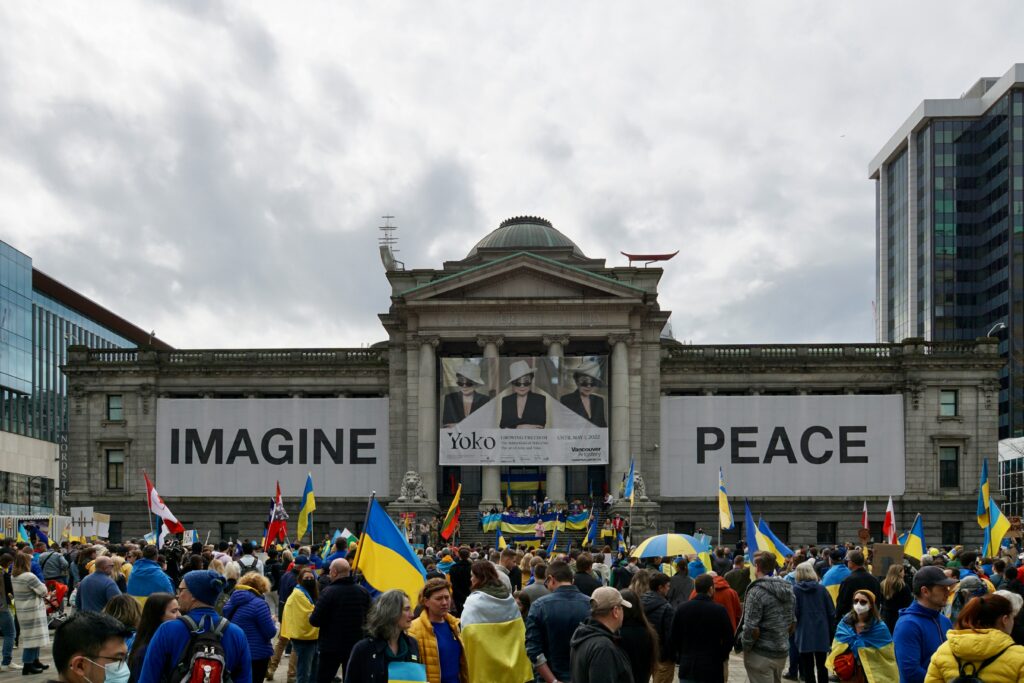
Russia-EU relations remain deeply fractured, with no meaningful normalization in sight. The EU has extended sanctions on Russian entities through mid-2026, including restrictions on dual-use goods, financial services, and energy imports. Capital flows between the regions have effectively frozen, with European direct investment in Russia dropping 92% year-on-year in 2024, according to Eurostat. Meanwhile, Russian asset divestments by European firms—totaling over €180 billion since 2022—have reshaped corporate balance sheets and triggered one-time losses, particularly in banking and consumer sectors.
This decoupling has also influenced European bond yields. German 10-year Bund yields rose from 0.4% in January 2022 to 2.7% in March 2025, driven by higher defense spending, energy subsidy programs, and elevated sovereign risk premiums. While inflation has moderated to 2.9% in the Eurozone (March 2025), real interest rates remain positive, reflecting market pricing of long-term instability. Investors should recognize that even if Ukraine peace talks resume in earnest, full economic reintegration with Russia is unlikely for years, altering the baseline assumptions for European fixed income.
Historical Patterns: Market Reactions to Past Escalations
A review of market behavior during previous phases of escalation reveals consistent patterns. In March 2022, when peace negotiations briefly raised hopes before collapsing, the MSCI World Index dropped 8.3% in one week, while gold surged 7.1%. Similarly, in late 2023, after Russia launched new missile campaigns targeting Ukrainian infrastructure, the VIX index spiked from 18 to 34 in under 10 trading days. These episodes highlight how rapidly sentiment can shift when geopolitical risk finance dynamics intensify.
Notably, cryptocurrency markets have also become more sensitive to war-related news. In early 2025, Strategy, a major digital asset firm, added $50 million in Bitcoin holdings to its crypto stockpile, citing “geopolitical hedging” as a core rationale. While Bitcoin remains volatile—down 12% year-to-date in 2025—it continues to attract institutional interest as a non-sovereign store of value during crises. However, investors should treat such allocations cautiously; unlike gold, Bitcoin lacks a long historical track record during wartime and is still highly speculative.
Investing in Crisis: Practical Hedging Strategies for Today’s Environment
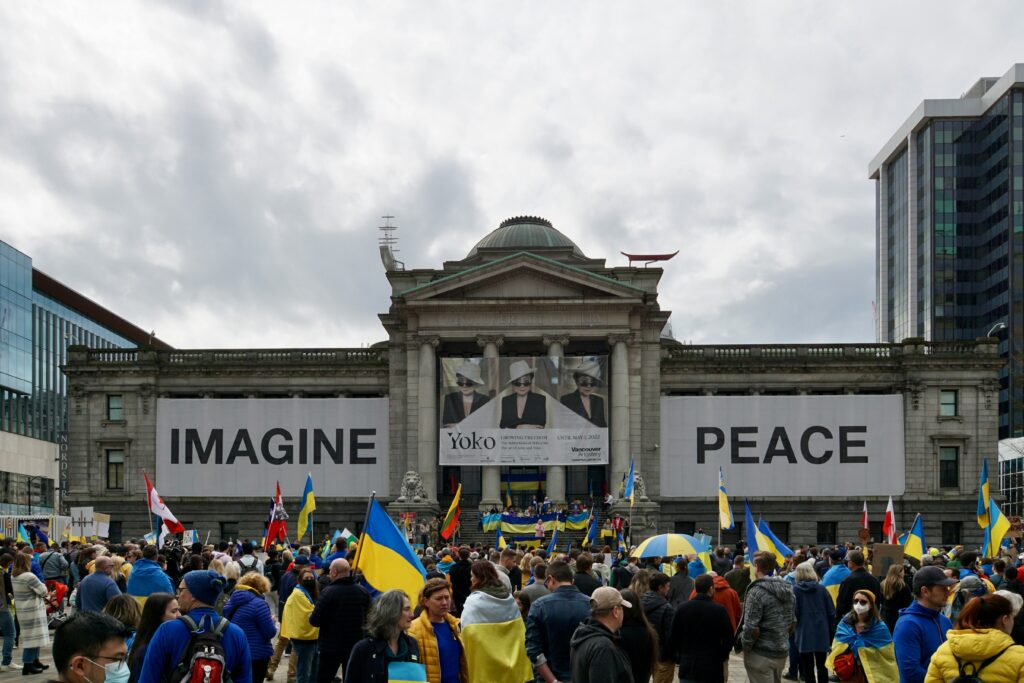
For investors navigating ongoing uncertainty, diversification remains key. Allocating 5–10% of a portfolio to defensive assets can help mitigate downside risk during periods of heightened market volatility. Gold, historically a reliable hedge, returned 16% in 2024 and trades near $2,280 per ounce in April 2025. Central bank demand—led by China and India—has supported prices, with global official gold purchases reaching 1,136 tonnes in 2024 (World Gold Council).
Investors may also consider exposure to defense ETFs such as ITA or the SPDR Aerospace & Defense ETF (XAR), which offer diversified access to companies benefiting from increased military spending. Currency diversification is another tool: holding Swiss francs or Japanese yen—both traditionally seen as safe-haven currencies—can provide ballast during risk-off episodes. However, these strategies carry opportunity costs; prolonged low volatility could erode returns, and currency hedges may underperform in growth-driven markets.
Forward Outlook: Key Catalysts to Watch in 2025
Looking ahead, several potential catalysts could reshape geopolitical risk finance dynamics. First, the outcome of upcoming NATO summits—particularly decisions on long-range weapons support for Ukraine—may signal whether Western backing is strengthening or wavering. Second, any verified breakthrough in Ukraine peace talks, such as a mutual withdrawal agreement or UN-mediated corridor establishment, could ease market tensions and lower energy risk premiums. Conversely, further escalation—like direct NATO-Russia confrontations or cyberattacks on critical infrastructure—would likely trigger broad-based sell-offs.
Additionally, U.S. election cycles will influence foreign policy continuity. With presidential debates intensifying in mid-2025, shifts in rhetoric toward Ukraine aid could affect investor confidence. Markets will closely monitor polling data and party platforms for clues on future funding levels. Ultimately, while diplomacy offers hope, investors must prepare for a protracted environment of elevated geopolitical risk finance conditions. A disciplined, risk-aware approach to portfolio construction—anchored in diversification and stress testing—remains essential.