1. Diplomatic Developments: US-Ukraine Talks Signal Cautious Optimism
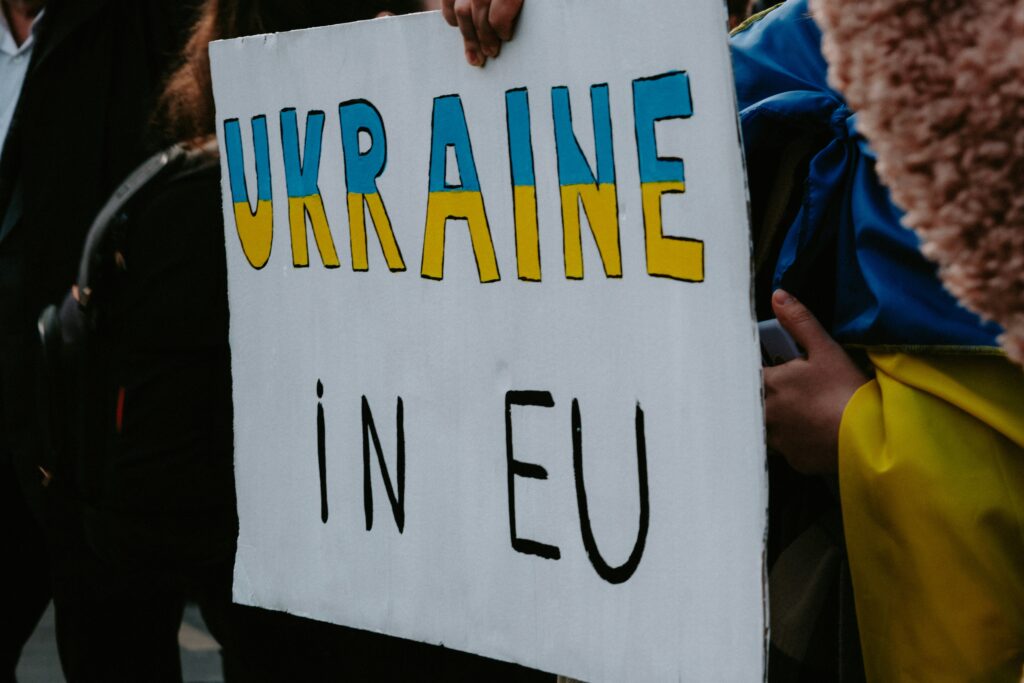
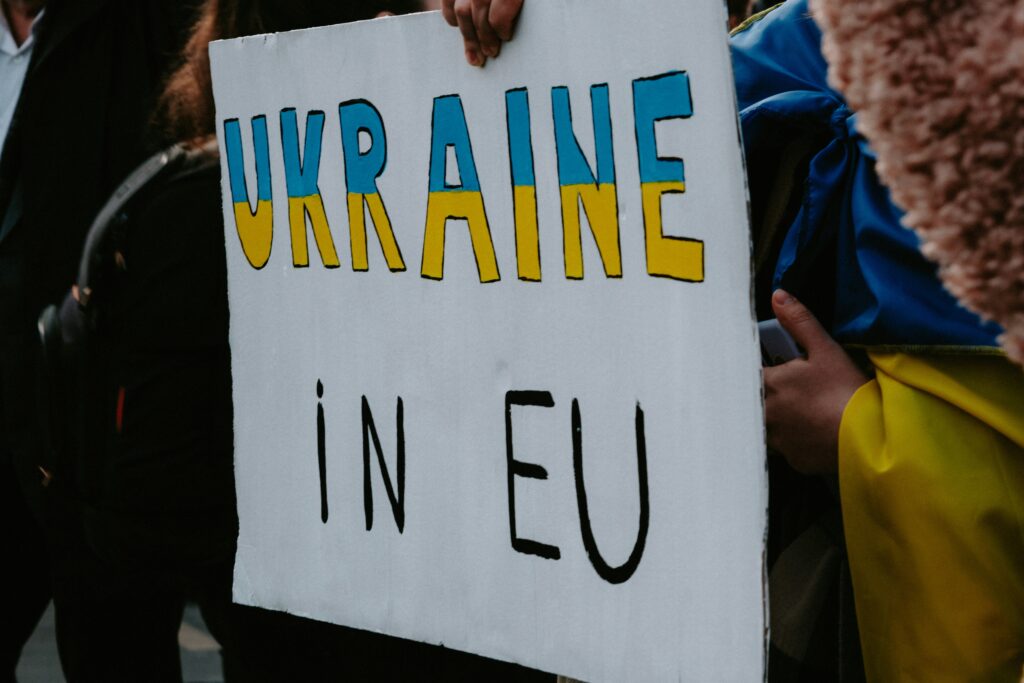
The latest round of diplomatic engagement between the United States and Ukraine took place in Miami over the weekend, as Ukrainian officials met with senior U.S. representatives ahead of anticipated high-level discussions involving Russian President Vladimir Putin later this week. According to Senator Marco Rubio, who participated in the discussions, the talks were "productive," though he emphasized that "more work needs to be done" to reach a substantive agreement. While no formal ceasefire or peace framework was announced, the meeting underscores renewed diplomatic momentum after nearly two years of war.
This dialogue occurs against a backdrop of shifting battlefield dynamics and increasing pressure on both sides to explore negotiated outcomes. For investors, the mere prospect of diplomacy—however tentative—can influence market sentiment. Historically, even incremental progress in conflict resolution has led to short-term reductions in risk premiums across equities and emerging market debt. However, the lack of concrete outcomes means uncertainty remains elevated, sustaining demand for safe-haven assets.
2. Market Reactions: How Geopolitical Risk Shapes Investor Behavior
Geopolitical risk continues to exert a measurable impact on global financial markets, particularly through its effect on investor sentiment and capital flows. The ongoing war in Ukraine remains one of the most significant sources of macroeconomic uncertainty, influencing everything from energy prices to central bank policy. During periods of escalation, equity markets—especially in Europe—have shown increased volatility. For example, the S&P 500 experienced an average intraday swing of over 2% during key conflict milestones in 2022, while the Euro Stoxx 50 fell by more than 15% in the first quarter following Russia’s full-scale invasion.
Conversely, safe-haven assets such as U.S. Treasury bonds, gold, and the Swiss franc typically appreciate during flare-ups. In early 2022, 10-year Treasury yields dropped from 1.78% to 1.43% within two weeks of the invasion, reflecting flight-to-quality dynamics. Similarly, gold prices surged from $1,800 to $2,070 per ounce between February and March 2022. These patterns highlight how geopolitical shocks trigger reallocation toward lower-risk instruments, even in a rising interest rate environment.
3. Historical Context: Comparing Market Responses to Past Crises
To better understand current market sensitivities, it is instructive to compare today’s conditions with prior episodes of geopolitical stress. The annexation of Crimea in 2014 triggered a modest sell-off in Eastern European equities and a spike in Russian sovereign bond yields—from 7.2% to 9.8% within three months—but global spillovers were limited due to smaller economic exposure and less integrated financial markets. In contrast, the 2022 invasion occurred amid tighter global supply chains and higher commodity dependence, amplifying financial transmission.
Notably, the scale of sanctions and capital controls introduced after 2022 had unprecedented effects on cross-border investment flows. Over $300 billion in Russian central bank reserves were frozen, leading many institutional investors to reassess country risk models globally. A 2023 IMF study found that geopolitical risk indices reached levels not seen since the 1990 Gulf War, with persistent effects on foreign direct investment in emerging markets perceived as vulnerable to great-power competition.
4. Sectoral Impacts: Energy, Defense, and Emerging Markets
Different sectors respond asymmetrically to geopolitical developments. Energy markets remain particularly sensitive—European natural gas prices spiked to €340/MWh in August 2022, up from €50/MWh pre-war levels, before moderating to around €45/MWh in mid-2024 due to diversified supply and mild winters. Nevertheless, any disruption in Black Sea shipping or Nord Stream pipeline negotiations could reignite price volatility.
Defense stocks have benefited from sustained military spending increases. Lockheed Martin’s stock rose 62% between February 2022 and December 2023, outperforming the S&P 500 by over 40 percentage points. NATO members have committed to raising defense expenditures to 2% of GDP, supporting long-term tailwinds for aerospace and defense contractors. Meanwhile, emerging market debt—particularly in Eastern Europe and Central Asia—remains under pressure. Ukraine’s Eurobonds maturing in 2032 trade at approximately 45 cents on the dollar, reflecting continued default risk and liquidity constraints.
Cryptocurrency: A New Frontier in Risk Diversification?
Interestingly, some institutional investors are turning to digital assets as part of their geopolitical risk hedging strategy. Recent reports indicate that a major investment firm added $50 million in Bitcoin holdings to its crypto portfolio, citing decentralization and non-sovereign status as key attributes during times of systemic instability. While still speculative, Bitcoin’s correlation with traditional risk assets has weakened since 2022, dropping from 0.75 to 0.38 with the S&P 500 over the past two years. This evolving dynamic suggests growing interest in crypto as a potential diversifier, though regulatory and volatility risks remain significant.
5. Strategic Recommendations: Managing Portfolios Amid Uncertainty
Given the lingering uncertainty surrounding Ukraine peace negotiations, investors should adopt a balanced approach to managing geopolitical risk. First, maintaining adequate exposure to low-correlation assets—such as gold (allocated at 5–10% for conservative portfolios), short-duration Treasuries, and inflation-protected securities—can help cushion against sudden risk-off moves. Second, sector rotation strategies may favor defense, cybersecurity, and renewable energy infrastructure, which stand to benefit from structural shifts in national security and energy independence policies.
Third, investors should monitor currency hedges closely, particularly for euro- and pound-denominated holdings, as geopolitical stress tends to weaken European currencies relative to the U.S. dollar. Lastly, while opportunities exist in distressed Ukrainian debt or regional EM funds, these should be approached with strict risk controls and limited allocation due to political and liquidity uncertainties. Diversification, scenario planning, and stress-testing remain essential tools in navigating volatile environments shaped by geopolitical risk finance.