The Tashkent QS Forum: A Turning Point for Central Asian Higher Education
In May 2024, Tashkent hosted a landmark edition of the QS Higher Education Forum, drawing university leaders, policymakers, and international education experts from across Central Asia and beyond. This gathering marked more than symbolic progress; it reflected tangible momentum in the region’s academic transformation. According to forum reports, national ministers from Kazakhstan, Kyrgyzstan, Tajikistan, Turkmenistan, and Uzbekistan jointly emphasized commitments to improve university rankings, expand research output, and align curricula with global standards. The event underscored a shared vision: positioning Central Asia as an emerging node in the global knowledge economy.
One of the most notable outcomes was the announcement of new intergovernmental agreements on student mobility and faculty exchange programs. For instance, Uzbekistan’s Ministry of Innovative Development confirmed a tripartite agreement with Kazakhstan and Kyrgyzstan to establish a regional credit transfer system—modeled after the European Credit Transfer and Accumulation System (ECTS)—to facilitate cross-border degree completion by 2026. Such structural reforms signal growing institutional maturity and could enhance the region’s appeal to foreign investors seeking scalable education projects.
Strengthening Academic Cooperation to Unlock Foreign Investment
Regional academic collaboration is no longer just about cultural exchange—it’s becoming a catalyst for infrastructure financing and research commercialization. As Central Asian universities strengthen quality assurance mechanisms and increase English-language program offerings, they are drawing interest from international development banks and private capital. The Asian Development Bank (ADB) has already committed $120 million since 2022 to modernize science, technology, engineering, and mathematics (STEM) facilities across five Central Asian nations, with a focus on digital labs and renewable energy research centers.
Moreover, joint research initiatives are beginning to yield patentable innovations. In early 2024, researchers at Nazarbayev University (Kazakhstan) and Westminster International University in Tashkent co-developed a low-cost water desalination membrane using locally sourced nanomaterials—a project funded by the European Union’s Horizon Europe program. This kind of transnational R&D success enhances credibility and opens doors to public-private partnerships. Investors are increasingly viewing these collaborations not only as socially impactful but also as platforms for intellectual property generation and long-term revenue streams through licensing and spin-offs.
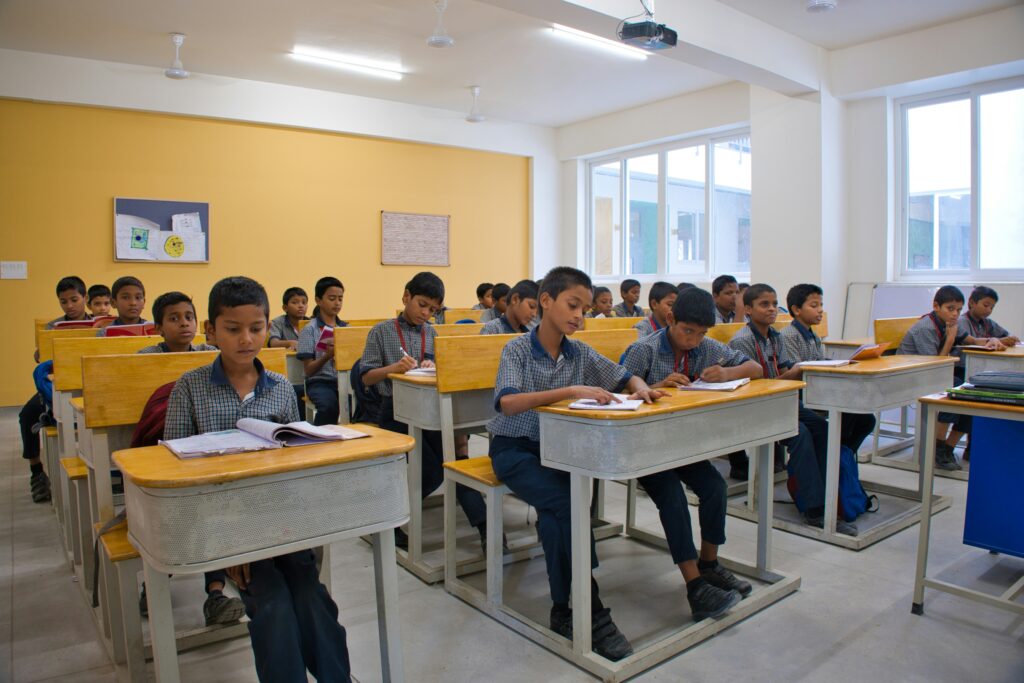
Key Areas Attracting Capital: EdTech, Campuses, and Innovation Funds
The evolution of Central Asian higher education presents three primary investment vectors: educational technology, cross-border campus development, and government-backed innovation funds. First, edtech adoption is accelerating rapidly. With internet penetration in urban areas exceeding 75% in countries like Uzbekistan and Kazakhstan, there is strong demand for adaptive learning platforms, AI-driven tutoring systems, and credential verification tools. Local startups such as EduHub (Tashkent) and KZEdTech (Almaty) have secured seed funding from EU accelerators, demonstrating early-stage investor confidence.
Second, several nations are pursuing satellite campuses in partnership with Western institutions. In 2023, Hamad Bin Khalifa University (Qatar) announced plans to launch a joint graduate program in energy policy with the University of Central Asia (Kyrgyzstan), backed by Aga Khan Development Network financing. These models reduce entry barriers for global universities while offering real estate and operational opportunities for infrastructure funds. Third, sovereign wealth-linked innovation vehicles are emerging. Notably, Kazakhstan’s QazTech Ventures launched a $200 million fund in 2023 targeting deep tech spinouts from university labs, with co-investment options for foreign limited partners.
Comparative Outlook: How Central Asia Stacks Up Against Other Emerging Markets
When compared to Southeast Asia or Sub-Saharan Africa, Central Asia offers distinct advantages for education-focused investors. Political stability in key hubs like Tashkent and Nur-Sultan, combined with relatively high literacy rates (over 99% in Uzbekistan and Kazakhstan), creates a favorable baseline. Additionally, lower labor costs for academic staffing—professors earn an average of $1,200–$1,800 monthly, compared to $3,000+ in Eastern Europe—enhance operational efficiency.
However, challenges remain. Regulatory frameworks for foreign ownership in education vary significantly across the region. While Georgia (often grouped with broader Eurasian analyses) allows full foreign ownership of private institutions, Uzbekistan currently caps foreign equity at 49% in joint ventures unless special economic zone rules apply. Furthermore, brain drain persists: UNESCO estimates that over 35% of STEM graduates from Central Asian universities relocate abroad within five years of graduation. Mitigating this requires sustained investment in research careers and industry linkages.
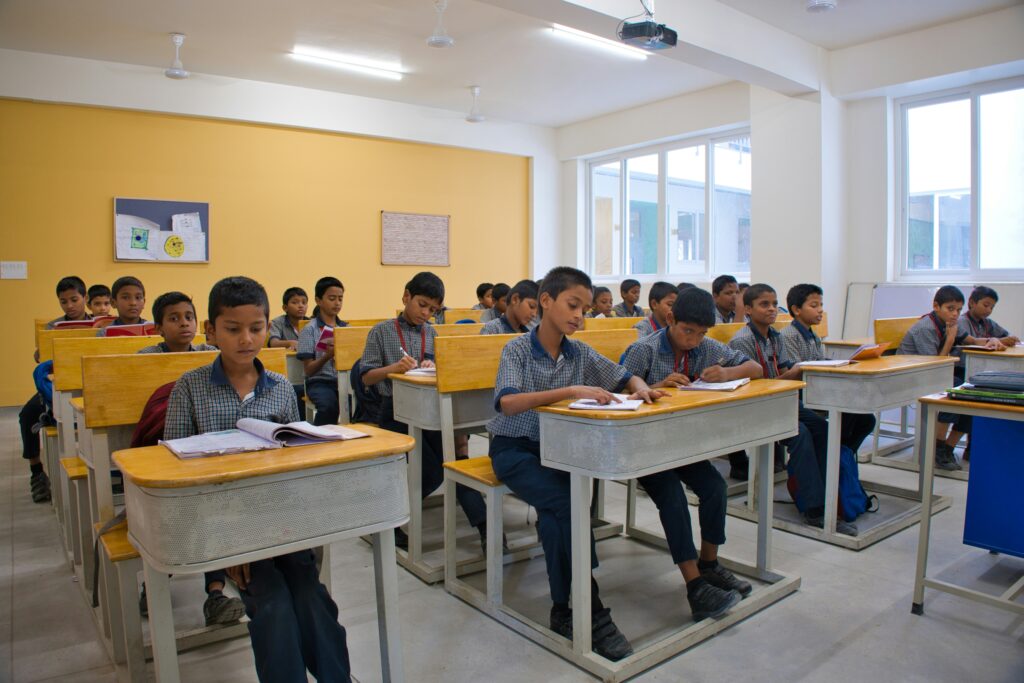
Long-Term ROI Potential and Risk Considerations
For institutional investors, exposure to Central Asian higher education remains niche but potentially high-upside. Projections suggest that tertiary enrollment in the region will grow at a compound annual rate of 3.2% through 2030—outpacing Western Europe’s 0.8%. If quality improvements continue, some institutions may enter global rankings by 2030, boosting brand value and tuition competitiveness.
Yet returns depend heavily on governance reforms and macroeconomic conditions. Currency volatility (especially in Tajikistani somoni and Kazakhstani tenge) poses financial risk, while geopolitical sensitivities—particularly regarding data sovereignty and academic freedom—require careful due diligence. Diversified strategies, such as investing via multilateral development funds or blended finance instruments, can help mitigate these risks while supporting systemic growth.
Conclusion: Positioning for the Future of Global Education Investment
The rise of Central Asian universities reflects a broader shift in global education dynamics—one where regional cooperation, technological adoption, and strategic partnerships converge to create new investment landscapes. While still nascent, the ecosystem shows increasing signs of resilience and ambition. For forward-looking investors, the combination of under-penetrated markets, rising human capital, and expanding innovation ecosystems offers compelling long-term potential—provided that investments are structured with local context, sustainability, and risk management in mind.