The Hidden Crisis: Olive Oil Fraud in the Global Food Supply
Recent investigations across Europe have revealed that a significant portion of olive oil sold as “extra virgin” may be adulterated or entirely counterfeit. According to Europol, up to 30% of olive oil labeled as authentic in some EU countries fails purity standards, with lower-grade oils like sunflower or soybean blended in and artificially colored or flavored to mimic premium products. In Italy, one of the world’s largest producers and exporters of olive oil, authorities have launched a specialized initiative known as The Food Detectives, deploying portable DNA testing kits to authenticate olive varieties and trace geographic origins at production sites and border checkpoints. These rapid field tests analyze genetic markers in oil samples, allowing regulators to verify if the product matches the declared cultivar and region—critical steps in combating widespread mislabeling.
Food Supply Chain Security at Risk
The integrity of the global food supply chain hinges on transparency and traceability, both of which are compromised by systematic fraud. Olive oil is particularly vulnerable due to its high value, complex sourcing networks, and seasonal production cycles. A 2023 European Commission report estimated that food fraud costs the EU economy over €12 billion annually, with olive oil representing nearly 15% of total incidents. When counterfeit products infiltrate export channels, they not only deceive consumers but also distort trade flows and undermine trust in certified origin labels such as PDO (Protected Designation of Origin). For instance, Spanish and Italian exports—often commanding price premiums based on terroir and quality—face reputational damage when fraudulent versions bearing their names circulate globally. This erosion of brand equity can depress long-term pricing power and reduce market access for legitimate producers.
Impact on Agricultural Commodities Investment
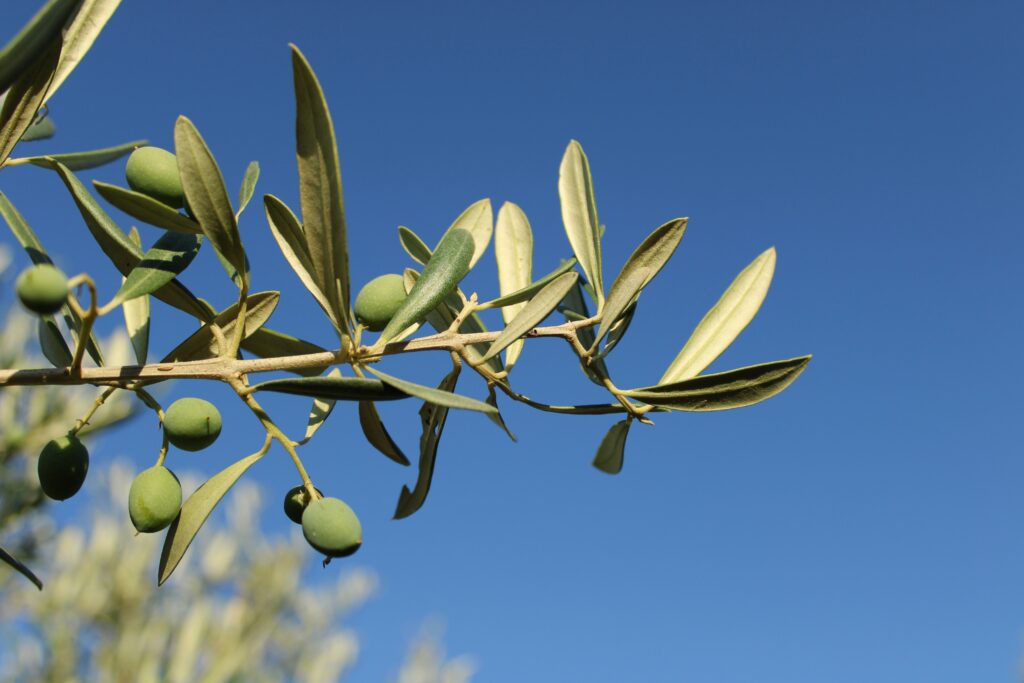
Investors in agricultural commodities must now account for fraud-related volatility when assessing exposure to soft commodity markets. Olive oil futures, while not as liquid as wheat or corn, influence broader sentiment toward Mediterranean agribusiness equities and exchange-traded funds focused on sustainable agriculture. Mislabeling scandals can trigger sharp sell-offs in regional agri-stocks; for example, after a major 2022 operation led to the seizure of 100,000 liters of fake olive oil in Puglia, Italy, shares in several mid-sized agro-processors dropped between 8–12% within a week. More insidiously, persistent fraud undermines ESG (Environmental, Social, and Governance) metrics used by institutional investors. Companies unable to prove supply chain authenticity may fail ESG audits, leading to divestment by ESG-focused funds managing trillions in assets. As sustainability reporting becomes mandatory under regulations like the EU’s CSRD (Corporate Sustainability Reporting Directive), unverified sourcing practices pose material financial risks.
Case Study: Regulatory Crackdowns in the Mediterranean
In response to growing concerns, EU food safety agencies have intensified cross-border operations targeting olive oil fraud. Operation OPSON 12, conducted in 2023 by Interpol and Europol in collaboration with 39 countries, resulted in the seizure of over 1.3 million liters of counterfeit food products—including 210,000 liters of substandard olive oil—and the arrest of 274 individuals. Italy has taken a leading role, investing €15 million in mobile forensic labs equipped with real-time spectroscopy and DNA barcoding tools. These technologies enable inspectors to identify adulterants such as chlorophyll additives or non-olive triglycerides within minutes. The crackdown has already altered export dynamics: Turkish and North African suppliers previously relying on re-labeling through EU hubs now face stricter documentation requirements. While these measures enhance market integrity, they also increase compliance costs for small producers, potentially consolidating market share among larger, better-capitalized agribusinesses—an important consideration for equity investors.
Investment Implications: Risks and Opportunities
For investors, the prevalence of olive oil fraud underscores the need for deeper due diligence in agri-commodity portfolios. Direct investments in olive oil producers, especially those without third-party certification or blockchain-based traceability systems, carry elevated operational and reputational risk. Conversely, the fight against food fraud is creating new opportunities in agritech and supply chain verification. Startups specializing in rapid DNA testing, isotopic analysis, and AI-driven supply chain mapping are attracting venture capital at an accelerating pace. For instance, the UK-based firm Oritain uses geochemical fingerprinting to verify food origin, partnering with New Zealand honey exporters and now expanding into Mediterranean oils. Similarly, blockchain platforms like IBM Food Trust are being adopted by cooperatives in Spain to provide end-to-end visibility from grove to grocery shelf. These technologies not only reduce fraud but also improve pricing transparency, making them compelling long-term bets within the food integrity sector.
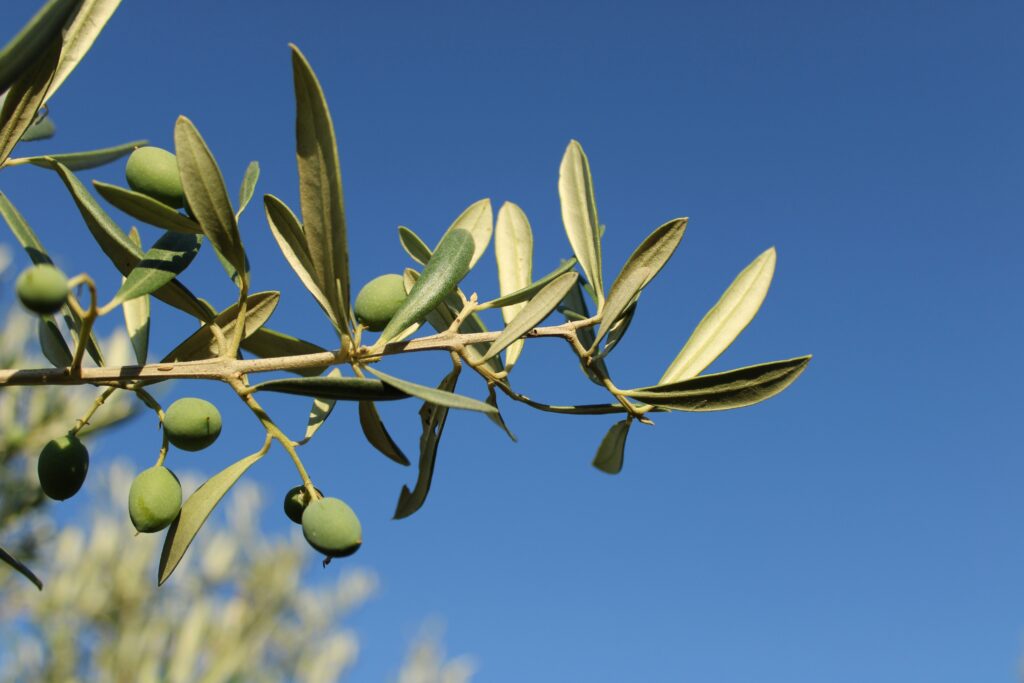
Emerging Tech as a Hedge Against Commodity Risk
As investor scrutiny increases, firms integrating advanced traceability solutions may gain a competitive edge. A 2023 McKinsey study found that food brands using blockchain or lab-verified provenance saw a 17% premium in wholesale pricing and higher resilience during recall events. Moreover, institutional investors are beginning to incorporate anti-fraud metrics into risk models. BlackRock’s latest agribusiness engagement report highlighted “supply chain verifiability” as a key criterion for portfolio inclusion. While no technology eliminates risk entirely—DNA testing requires proper sample handling, and blockchain depends on data integrity at entry points—the convergence of lab science and digital tracking represents a paradigm shift in commodity oversight. Investors should consider allocating to innovation-driven segments of the agri-tech space, particularly those with scalable validation tools applicable beyond olive oil to sectors like coffee, seafood, and organic grains.
Conclusion: Building Resilience Through Anti-Fraud Due Diligence
Olive oil fraud is more than a consumer protection issue—it is a systemic risk affecting global food markets, trade reliability, and investment returns. As detection capabilities improve and regulatory pressure mounts, the distinction between compliant and non-compliant producers will increasingly determine financial performance. Investors in agricultural commodities must go beyond yield forecasts and weather patterns to evaluate the authenticity and traceability of supply chains. Incorporating anti-fraud assessments into due diligence processes is no longer optional but essential for managing downside risk and aligning with evolving ESG standards. The rise of food forensics and digital transparency tools offers both a safeguard and a strategic opportunity for forward-looking investors navigating the complexities of modern agribusiness.