Europe’s Strategic Pivot to Defense and Dual-Use Innovation
The European Union is at a technological crossroads. Facing heightened geopolitical instability and rapid advancements in artificial intelligence (AI), the bloc has committed to a sweeping transformation of its innovation ecosystem. A recent report highlights that Europe’s future competitiveness will hinge on three pillars: climate tech, artificial intelligence, and defense technology. Central to this vision is an ambitious plan to retrain approximately 600,000 workers for roles in the defense industry—a move signaling both urgency and long-term strategic recalibration.
This workforce initiative, backed by EU institutions and national governments, aims to close critical skill gaps in advanced manufacturing, cybersecurity, and AI-driven systems engineering. Countries including France, Germany, and Poland are leading investments in vocational training programs focused on dual-use technologies—those with both civilian and military applications. The goal is not only to bolster national security but also to strengthen Europe’s industrial sovereignty amid growing reliance on U.S. and Asian defense suppliers.
Growing Public and Private Investment in Dual-Use Technologies
The retraining effort reflects a broader surge in public and private capital flowing into dual-use innovation. According to Eurostat data, EU funding for defense research and development (R&D) reached €1.8 billion in 2023 under the European Defence Fund (EDF), up from €1.2 billion in 2021. This increase aligns with the European Commission’s objective to co-fund collaborative defense projects across member states, reducing duplication and enhancing interoperability.
Private sector participation is also accelerating. Venture capital investment in European deep-tech startups—particularly those applying AI to logistics, surveillance, and autonomous systems—grew by 34% year-over-year in 2023, according to Dealroom.co. Firms like Helsing (Germany), a developer of AI-powered air defense systems, and Neurala (France), specializing in edge AI for drones, have attracted significant funding. These investments underscore a shift toward integrating AI into military technology, where machine learning enables faster threat detection, predictive maintenance, and real-time battlefield analytics.
Investment Opportunities in Defense Contractors and Enabling Technologies
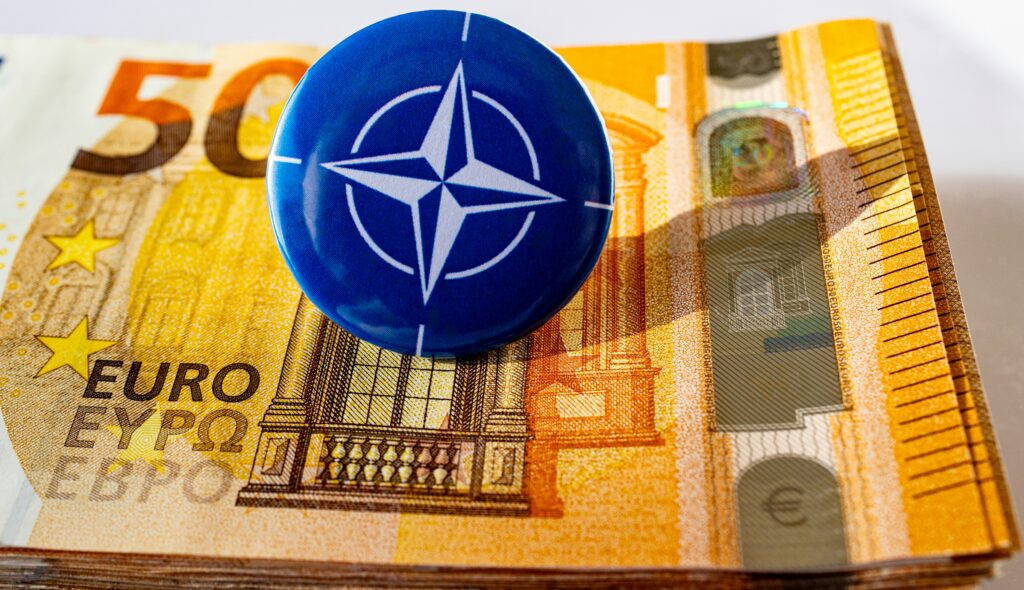
For investors, the expanding European defense tech landscape presents compelling opportunities across multiple segments. Defense sector stocks—particularly those of integrated contractors such as Airbus (Netherlands/Germany), Leonardo (Italy), and Saab (Sweden)—have outperformed broader European indices since 2022. Airbus Defense and Space reported a 22% increase in order backlog in 2023, driven by demand for satellite communications and combat aircraft modernization.
Beyond prime contractors, enabling technologies are emerging as high-growth niches. Semiconductor firms supplying radiation-hardened chips for avionics and secure communication systems—such as STMicroelectronics (France/Italy) and Infineon (Germany)—are seeing rising defense-related revenue. Additionally, AI-driven logistics platforms like SensoWave (UK) and Nexter Systems’ autonomous resupply vehicles are gaining traction within NATO-aligned procurement frameworks. These companies benefit from structural tailwinds: aging military infrastructure, increased defense spending post-Ukraine war, and digital transformation mandates across European armed forces.
Global Comparison: How Europe Stacks Up Against U.S. and Asian Markets
While the U.S. remains the world leader in defense-tech investment—with the Department of Defense allocating over $11 billion to AI initiatives in 2023 alone—Europe’s growth trajectory offers unique arbitrage potential. Chinese defense R&D spending is estimated at $300 billion annually, but Western investors face access barriers due to export controls and political risks. In contrast, the EU provides a transparent regulatory environment and strong intellectual property protections, making it an attractive alternative for institutional capital.
A key differentiator is Europe’s emphasis on civil-military convergence. Unlike the U.S., where defense innovation often occurs in siloed ecosystems (e.g., DARPA-funded projects), European programs actively encourage spin-in/spin-out models between commercial AI firms and defense agencies. For example, Finland’s F-Secure leverages its cybersecurity expertise in both consumer markets and military cyber defense contracts. This hybrid model enhances scalability and reduces time-to-market for dual-use innovations, offering investors diversified exposure with lower execution risk.
Risks and Regulatory Challenges for Global Investors
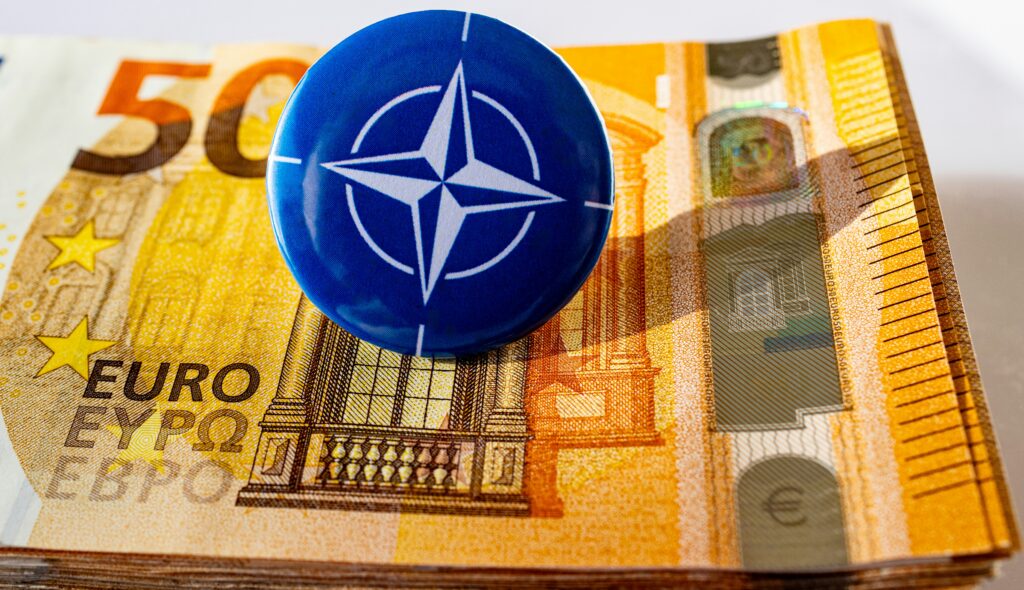
Despite the promising outlook, several risks warrant careful consideration. Geopolitical volatility, particularly in Eastern Europe and the Baltic region, could disrupt supply chains or delay procurement cycles. Moreover, the EU’s Common Position on Arms Exports imposes strict criteria on defense sales to non-NATO countries, limiting market expansion for some exporters. Export controls on sensitive technologies—especially AI algorithms with autonomous targeting capabilities—are tightening under the upcoming AI Act, which may affect cross-border collaboration and licensing revenues.
Additionally, while the EDF promotes pan-European cooperation, national interests still influence project selection. Delays in multinational programs like the Future Combat Air System (FCAS) between France, Germany, and Spain highlight coordination challenges. Investors should conduct thorough due diligence on company-level exposure to sovereign funding dependencies and policy shifts. Currency fluctuations—particularly between the euro and U.S. dollar—can also impact returns for international portfolios holding European defense equities.
Conclusion: A Maturing Opportunity with Measured Risk-Reward
Europe’s push to retrain 600,000 workers and scale investment in defense tech marks a pivotal moment in the continent’s industrial strategy. Backed by robust funding mechanisms and a focus on AI integration, the region is building a more resilient, innovative defense sector. From semiconductor suppliers to AI logistics platforms, global investors now have access to a maturing ecosystem that balances strategic importance with technological advancement.