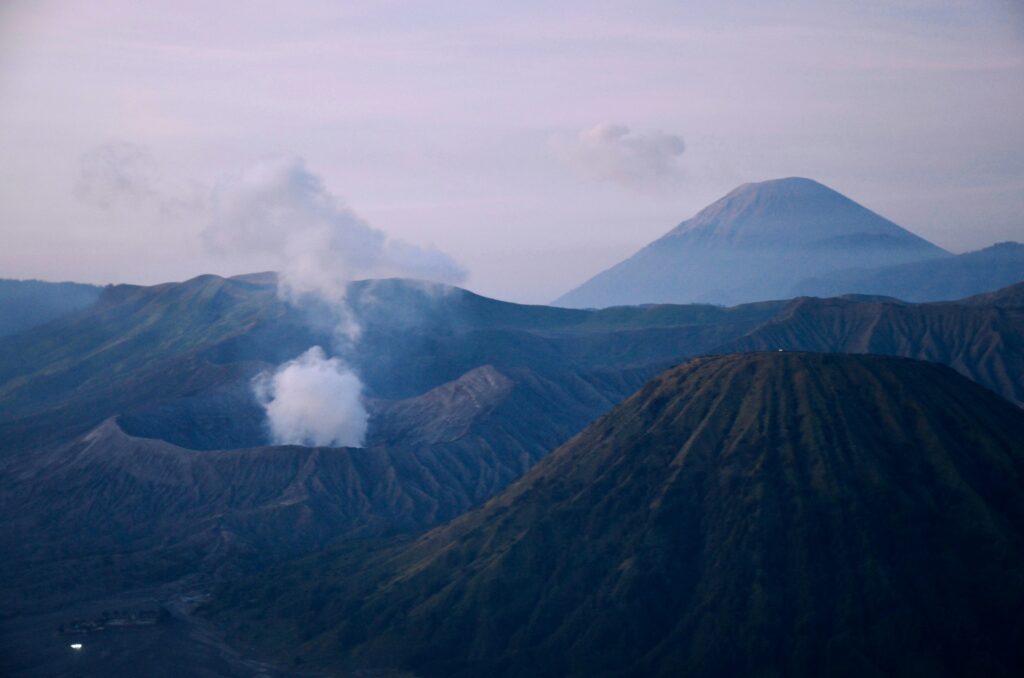
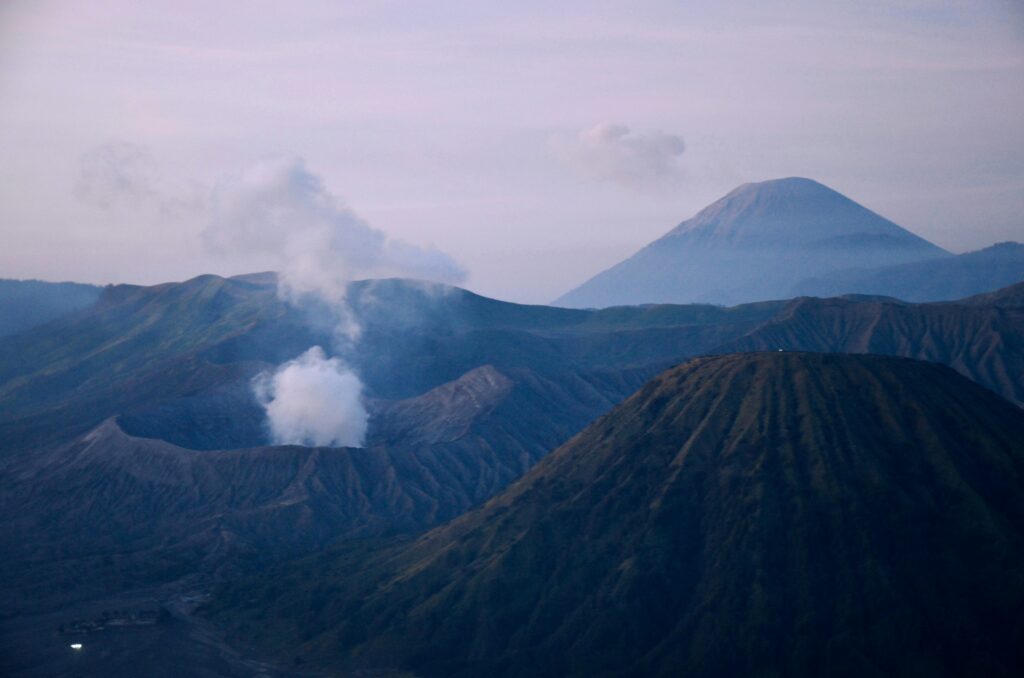
Indonesia faced a significant natural crisis as the Mount Semeru eruption intensified in East Java, sending towering plumes of volcanic ash into nearby communities. The explosive activity prompted authorities to elevate the alert level to its highest status, forcing thousands to evacuate from high-risk zones. This sudden escalation underscores the persistent volcanic threats across the Indonesian archipelago and highlights wider economic vulnerabilities linked to geological instability.
Immediate Impact of the Mount Semeru Eruption
The Mount Semeru eruption began with powerful bursts of pyroclastic material, generating fast-moving hot ash flows that swept down the mountain’s slopes. These hazardous currents endangered villages situated in the river valleys below, including Curah Kobokan and Sumberwuluh. Emergency response teams swiftly mobilized, coordinating evacuations for over 2,000 residents who were relocated to temporary shelters. Local hospitals reported an influx of patients suffering from respiratory issues due to ash inhalation, further straining regional medical resources.
Visibility dropped dramatically in affected areas, grounding small aircraft and disrupting road transport. The closure of key access routes not only hindered evacuation efforts but also delayed the delivery of emergency supplies. Meteorological agencies issued warnings about potential lahars—volcanic mudflows—that could be triggered by rainfall mixing with loose ash deposits. Such secondary hazards pose ongoing risks even after the initial eruptive phase subsides.
Mount Semeru Eruption and Indonesia’s Commodity Markets
Beyond the immediate humanitarian impact, the Mount Semeru eruption has sparked growing concern in Indonesia commodity markets. While Semeru itself is not located in a major mineral extraction zone, its eruption symbolizes the broader vulnerability of resource-dependent sectors to environmental shocks. Indonesia is a leading global exporter of nickel, tin, coal, and palm oil—all critical commodities whose production and logistics can be easily disrupted by natural disasters.
Market analysts have noted increased volatility in nickel futures following news of the eruption, driven by investor anxiety over potential infrastructure damage and transportation delays. Although no direct mine closures have been reported, logistical bottlenecks around East Java—a hub for industrial activity—could indirectly affect export timelines. Traders are closely monitoring port operations in nearby Surabaya, one of the country’s busiest maritime gateways.
Supply Chain Disruption Mining Operations at Risk
The concept of supply chain disruption mining has gained renewed attention in light of this event. Indonesia’s mining sector relies heavily on just-in-time logistics networks that connect remote extraction sites with coastal processing plants and international shipping routes. Any prolonged interruption in road or rail connectivity increases operational costs and threatens delivery commitments.
For instance, companies engaged in nickel processing for electric vehicle batteries may face delays if raw materials cannot move efficiently from Central Sulawesi through transit hubs in Java. The Mount Semeru eruption serves as a stark reminder that even localized disasters can ripple through global supply chains, particularly when concentrated in geographically sensitive regions.
- Volcanic ash can damage heavy machinery used in mining operations
- Air freight suspensions affect time-sensitive equipment deliveries
- Worker displacement impacts labor availability in downstream industries
Economic Resilience and Disaster Preparedness
To mitigate future risks associated with events like the Mount Semeru eruption, Indonesian policymakers are revisiting national disaster resilience strategies. Investments in early warning systems, redundant transport corridors, and decentralized storage facilities could reduce dependency on single pathways vulnerable to disruption. Additionally, integrating climate and geological risk assessments into mining licensing procedures may enhance long-term planning.
The interplay between natural hazards and economic stability is especially relevant given Indonesia’s location along the Pacific Ring of Fire. Frequent seismic and volcanic activity necessitates robust contingency frameworks—not only for public safety but also for maintaining confidence in Indonesia commodity markets.
Monitoring Ongoing Risks After the Eruption
Vulkanologi dan Mitigasi Bencana Geologi (PVMBG) continues to monitor Mount Semeru around the clock, using thermal cameras, seismographs, and drone surveys to track changes in volcanic behavior. Scientists warn that further explosive episodes remain likely, particularly during periods of heavy rain that could destabilize accumulated ash layers.
Communities living near active volcanoes must remain vigilant, and government agencies are encouraged to strengthen community-based education programs on evacuation protocols and air quality protection. Long-term recovery plans should also consider the cumulative effects of repeated eruptions on agriculture, water sources, and local economies.
In conclusion, the Mount Semeru eruption is more than a regional environmental emergency—it is a catalyst for re-evaluating how natural disasters intersect with economic infrastructure. From evacuation logistics to supply chain disruption mining vulnerabilities, the incident reveals systemic challenges that require coordinated action. As Indonesia navigates these complex dynamics, ensuring continuity in Indonesia commodity markets will depend on adaptive policies and resilient supply networks capable of withstanding nature’s unpredictability.