Philippines Seeks EU Partnership Amid South China Sea Tensions
The Philippines has recently signaled its intent to deepen strategic cooperation with the European Union (EU) regarding maritime security in the South China Sea—a region central to global trade and increasingly fraught with geopolitical tension. According to official statements, Manila aims to bolster joint patrols, intelligence sharing, and diplomatic coordination with EU member states to uphold freedom of navigation and international law, particularly the 2016 UNCLOS tribunal ruling that invalidated expansive Chinese maritime claims. While China asserts sovereignty over nearly 90% of the South China Sea under its ‘nine-dash line,’ this position is contested by the Philippines, Vietnam, Malaysia, Brunei, and Taiwan, creating a complex legal and military landscape.
Strategic Significance of EU Involvement
The EU’s growing engagement reflects a broader shift toward supporting a rules-based maritime order in Indo-Pacific waters. Though not a claimant state, the EU has a vested interest in securing critical shipping lanes: approximately $3.4 trillion in global trade passes through the South China Sea annually, representing about one-third of global maritime commerce. The European Commission has emphasized that stable sea routes are essential for energy imports, supply chain resilience, and economic security across Europe. Enhanced EU-Philippines collaboration could include capacity-building programs, port infrastructure investments, and support for coastal surveillance systems—initiatives that align with the EU’s Global Gateway strategy aimed at promoting sustainable connectivity.
Geopolitical Tensions and Their Financial Impact on Trade
Rising militarization and frequent naval standoffs in the region have begun to influence key financial metrics tied to maritime commerce. Insurance premiums for vessels transiting the South China Sea have increased by an average of 18% since 2022, according to data from the International Maritime Bureau. Hull and war risk insurance rates now reflect elevated threat assessments, particularly near disputed features such as Scarborough Shoal and Second Thomas Shoal. These cost increases are passed on to shippers and ultimately consumers, contributing to higher import prices in Southeast Asia and beyond.
Disruptions to Regional Trade Flows
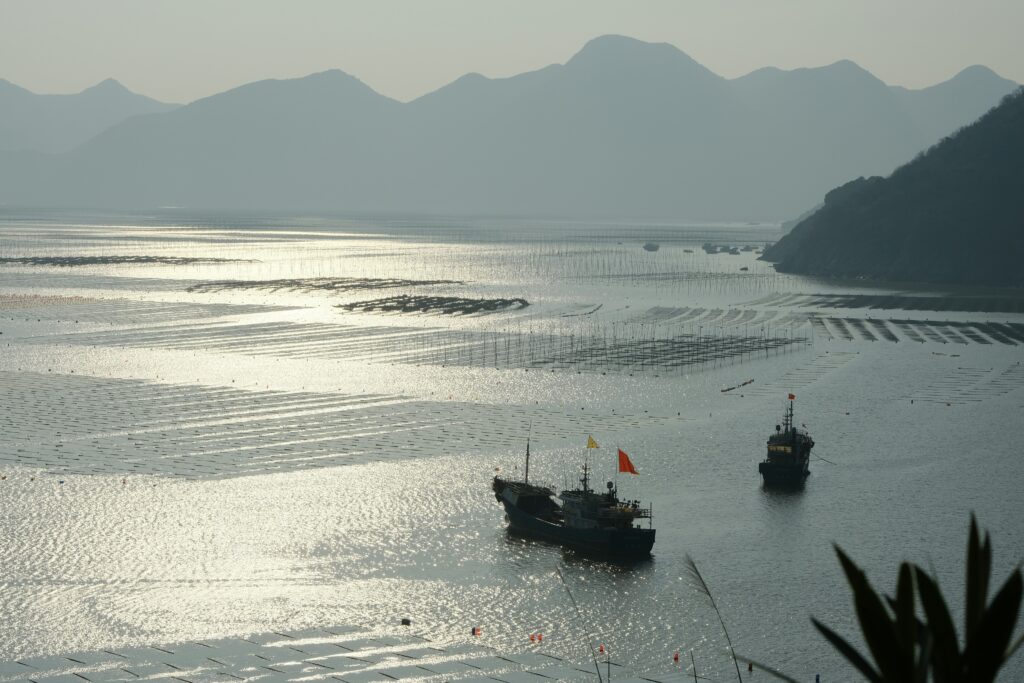
Escalations also risk rerouting major shipping lanes. While no permanent diversion has occurred yet, contingency planning by major carriers like Maersk and MSC includes alternative routes via the Makassar Strait or around northern Luzon, which add up to 7–10 days to voyage times. Such delays increase fuel consumption and carbon emissions, undermining sustainability goals. For investors, this translates into higher operational costs for logistics firms and reduced predictability in supply chains—factors that Moody’s Investors Service flagged in its 2023 review of Asian trade-dependent economies. The Philippines, whose exports account for over 30% of GDP, faces particular exposure if congestion or sanctions-related disruptions intensify.
Impact on ASEAN Capital Markets and Philippine Assets
Financial markets in ASEAN have shown sensitivity to South China Sea developments. During periods of heightened tension—such as the 2023 resupply mission standoff at Ayungin Shoal—the Philippine Stock Exchange Index (PSEi) underperformed regional peers by up to 2.3% over a two-week window. Sovereign bond yields rose marginally, reflecting increased risk premiums. Foreign portfolio inflows into Philippine equities declined by $412 million in Q2 2023 compared to the previous quarter, per Bangko Sentral ng Pilipinas data. Infrastructure bonds, especially those linked to port development projects in Palawan and Mindanao, saw wider spreads due to perceived political risk.
Investor Sentiment and Credit Metrics
Despite these pressures, the Philippines maintains investment-grade credit ratings from Fitch and S&P, supported by strong remittance inflows and fiscal reforms. However, geopolitical risk remains a watch item. S&P Global Ratings noted in its 2024 outlook that ‘escalation in maritime disputes could undermine investor confidence and delay public-private partnership projects worth over $25 billion.’ This underscores the importance of policy continuity and transparent governance in maintaining market stability. Regional spillovers are limited so far, but Vietnamese and Malaysian assets have also experienced short-term volatility during flare-ups, indicating contagion potential.
Emerging Opportunities in Defense, Logistics, and Maritime Tech
Heightened alliance activity has catalyzed demand in defense and dual-use technologies. The Philippines plans to spend $1.2 billion on maritime domain awareness systems between 2024 and 2028, including radar networks, satellite monitoring, and unmanned surface vessels. European firms such as Thales (France), Leonardo (Italy), and Airbus Defence & Space (Spain) are positioning themselves for contracts under the Revised Armed Forces Modernization Program. Similarly, logistics hubs in Subic Bay and Cebu are attracting foreign direct investment, with Dutch firm APMT expanding terminal operations in 2023.
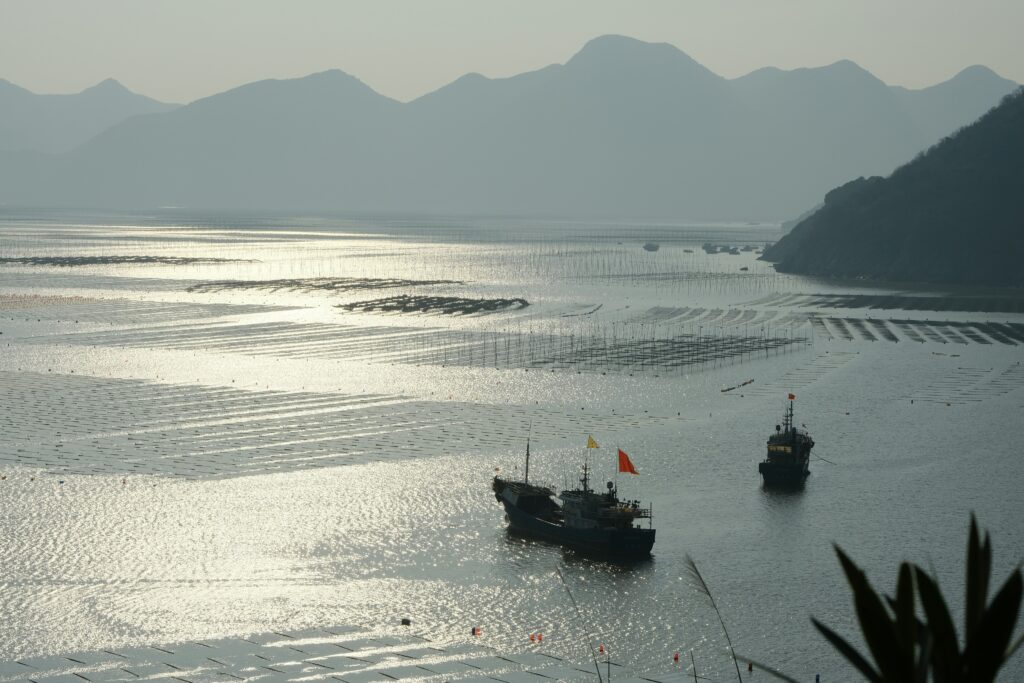
Innovation in Maritime Surveillance and Data Analytics
A growing niche lies in AI-powered maritime analytics. Startups leveraging synthetic aperture radar (SAR) and automatic identification system (AIS) data to detect illegal fishing or shadow fleet movements are gaining traction. For instance, the EU-funded SEASTRONG initiative supports real-time vessel tracking platforms that integrate with Philippine coast guard systems. Investors may find value in listed companies specializing in geospatial intelligence, such as KSAT (Norway) or Spire Global (USA), which provide satellite-based maritime insights. Additionally, blockchain applications for cargo verification and port efficiency—like those piloted in Rotterdam and Singapore—are being explored for replication in Manila Bay.
Risk Evaluation for Multinational Investors
Global investors must weigh both upside potential and downside risks when engaging with South China Sea-adjacent markets. Direct exposure to Chinese or Philippine state-owned enterprises involved in offshore drilling or island reclamation carries reputational and regulatory hazards. Sanctions compliance, particularly under U.S. CAATSA provisions, requires rigorous due diligence. Portfolio diversification across non-contested ASEAN markets—such as Indonesia or Thailand—can mitigate concentration risk.
Scenario Planning and Hedging Strategies
We recommend scenario stress-testing for portfolios with significant Asia-Pacific exposure. A worst-case scenario involving blockade-like conditions or armed conflict could disrupt trade flows and trigger equity sell-offs in export-oriented sectors. Conversely, de-escalation supported by multilateral dialogue could unlock infrastructure financing and boost investor sentiment. Instruments such as shipping freight rate futures, sovereign CDS spreads, and defense stock ETFs can be used to hedge or gain targeted exposure. Notably, the recent $50 million Bitcoin acquisition by Strategy, a crypto asset manager, highlights how some institutional players are diversifying into digital assets amid macro uncertainty—though cryptocurrency remains highly volatile and uncorrelated with traditional maritime risk factors.