Continuing Eruptions at Kilauea: Contained but Monitored
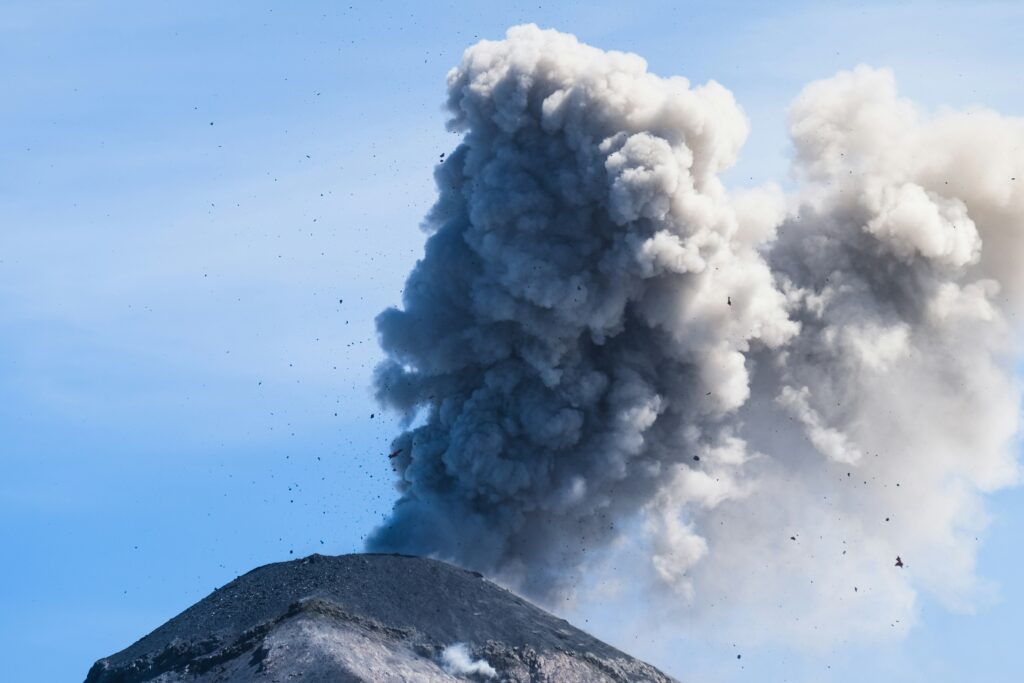
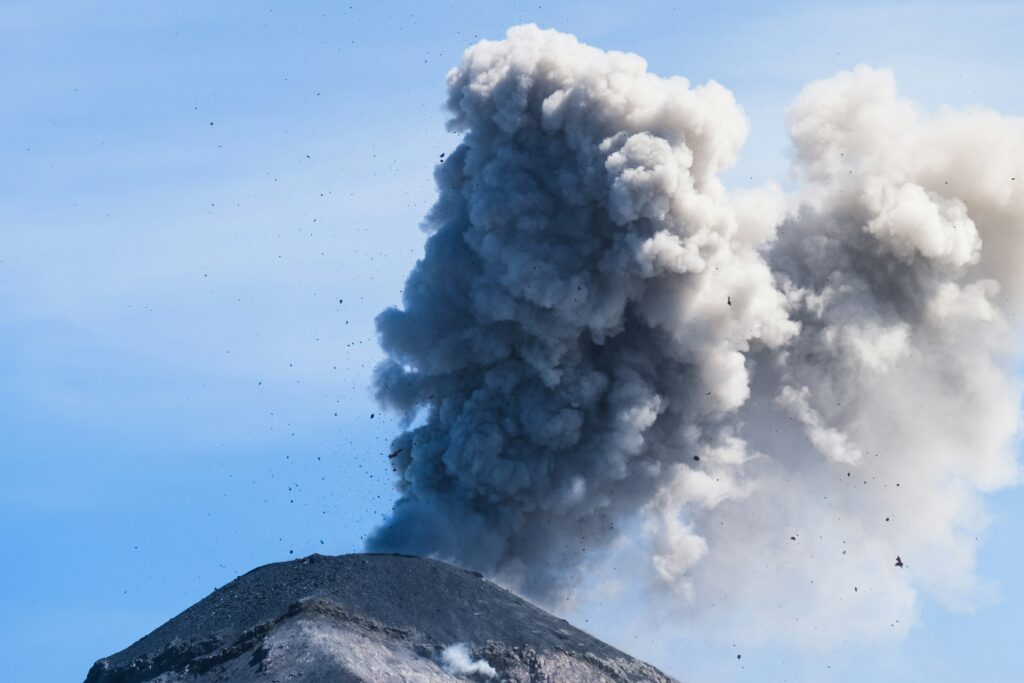
The Kilauea volcano on Hawaii’s Big Island has been erupting intermittently since late 2022, with periodic lava fountains reaching hundreds of meters into the air. According to data from the U.S. Geological Survey, these eruptions have remained confined within the Halema’uma’u crater at the summit of Kilauea, posing no immediate threat to nearby communities or infrastructure. While visually dramatic, the current volcanic activity is classified as non-explosive and is closely monitored by the Hawaiian Volcano Observatory. Nevertheless, persistent seismic activity and gas emissions underscore the need for continued risk assessment, particularly as historical patterns show that flank vents can open with little warning.
Hawaii’s Economic Dependence on Tourism and Real Estate
Hawaii’s economy is heavily reliant on tourism, which contributed approximately $18 billion in visitor spending in 2023 and supported over 180,000 jobs—about 20% of the state’s workforce. Real estate also plays a pivotal role, with residential property values on the Big Island increasing by 14% year-over-year in 2023, driven by remote work migration and investment demand. However, this growth trajectory is vulnerable to natural disasters. The 2018 lower Puna eruption, which destroyed more than 700 homes and displaced thousands, led to a 23% drop in tourist arrivals to the Big Island in the following quarter. Although current Kilauea activity poses no direct threat, prolonged perception of instability could dampen investor confidence and affect occupancy rates in vacation rental markets.
Insurance Market Strain Amid Recurrent Volcanic Activity
Property insurance in high-risk zones of Hawaii has become increasingly difficult to obtain and more expensive. In regions near active rift zones, premiums for homeowners have risen by as much as 65% since 2020, and some insurers have exited the market altogether. The Hawaii Property Insurance Association (HPIA), the insurer of last resort, now covers over 12,000 policies—up from fewer than 5,000 in 2019. Unlike earthquakes or hurricanes, standard homeowners’ policies typically exclude damage from volcanic eruptions, requiring separate endorsements or specialized coverage. This lack of broad protection creates latent financial exposure for individuals and municipalities alike, especially as climate change intensifies the frequency and unpredictability of geophysical events.
Municipal Bonds and Infrastructure Spending Under Pressure
Hawaii’s public infrastructure, particularly roads, utilities, and emergency response systems, faces mounting pressure from recurrent volcanic threats. Since 2018, the state has allocated over $150 million in federal and state funds to rebuild roads damaged by lava flows and improve early-warning systems. Future capital improvement plans may see increased borrowing through municipal bonds, particularly for projects like hardened communication networks and evacuation route upgrades. However, credit rating agencies such as Moody’s have flagged elevated natural disaster exposure as a constraint on Hawaii’s long-term debt capacity. Investors in municipal bonds issued by Hawaii counties should consider geographic specificity—bonds tied to areas near active volcanic zones may carry higher yield premiums due to perceived risk.
Integrating Climate and Geohazard Risk into Investment Models
The Kilauea eruptions highlight a broader shift in how institutional investors assess environmental risk. Traditional climate risk models have focused on sea-level rise, hurricanes, and wildfires, but geophysical hazards like volcanic activity are gaining attention in portfolio stress testing. Firms such as BlackRock and State Street now incorporate ‘physical risk scores’ that include seismic and volcanic exposure when evaluating real estate holdings across Pacific regions. For long-term investors, diversification into assets with lower geographical concentration—such as REITs with national footprints or infrastructure funds hedged against regional disasters—may offer more stable returns. Moreover, satellite monitoring and AI-driven predictive analytics are improving risk forecasting, enabling earlier portfolio adjustments ahead of disruptive events.
Historical Precedent: Lessons from the 2018 Lower Puna Eruption
The 2018 eruption of Kilauea, one of the most destructive in modern Hawaiian history, provides critical insights into economic resilience. Over three months, lava flows covered more than 35 square kilometers, destroying 700 homes and forcing the closure of key highways. Insurance claims exceeded $250 million, while tourism revenue on the Big Island fell by nearly $300 million in the subsequent six months. However, federal disaster aid and FEMA reimbursements helped stabilize recovery efforts. Notably, property values in unaffected parts of the island rebounded within two years, suggesting that localized events do not necessarily trigger systemic economic decline. Still, the episode revealed gaps in insurance coverage and emergency preparedness, prompting revised land-use policies and stricter building codes in high-hazard zones.
Strategic Investment Considerations for Risk-Aware Portfolios
While the current Kilauea activity remains contained, it serves as a reminder of Hawaii’s unique exposure to natural disasters. Investors with direct real estate holdings or municipal bond positions in high-risk districts should conduct granular risk assessments, including proximity to rift zones and historical lava flow paths. Indirect exposures—such as equities in Hawaiian tourism operators or regional banks—also warrant scrutiny during periods of heightened volcanic activity. On a macro level, the integration of geohazard data into ESG and climate risk frameworks is becoming essential. As seen in recent moves by global asset managers, adding digital risk layers like thermal imaging and ground deformation tracking can enhance predictive accuracy. Ultimately, prudent investors should balance Hawaii’s strong long-term fundamentals against its physical vulnerabilities, using diversification and scenario planning to mitigate unforeseen shocks.