Stable Antibiotic Supply Signals Progress in EU Self-Sufficiency Efforts
This winter, the European Union has reported no signs of antibiotic shortages—a notable departure from previous years when seasonal demand spikes led to widespread supply disruptions. According to the European Medicines Agency (EMA), improved inventory management, increased domestic production capacity, and strategic stockpiling have contributed to a more resilient pharmaceutical supply chain. In a recent statement to Euronews, the EMA emphasized that ongoing efforts to strengthen Europe’s medicine security framework are beginning to yield measurable results, particularly in the antibiotics segment, which is critical for public health resilience.
Historical Context: The Cost of Past Shortages
Between 2018 and 2022, Europe experienced recurring shortages of essential antibiotics such as amoxicillin and clarithromycin during peak respiratory illness seasons. These disruptions not only strained healthcare systems but also exposed the continent’s deep dependency on active pharmaceutical ingredients (APIs) sourced primarily from India and China. A 2021 European Commission report estimated that over 80% of APIs used in EU-manufactured medicines were imported from outside the bloc, with nearly two-thirds originating in China alone. These dependencies created bottlenecks during global shocks—including the pandemic and geopolitical tensions—leading to delayed treatments, higher hospitalization rates, and increased costs for national health services.
Economic Impact on Pharmaceutical Firms
The volatility in supply chains also affected European pharmaceutical companies, many of which faced rising input costs and operational uncertainty. Generic drug manufacturers, in particular, struggled with thin margins and limited pricing power, making them vulnerable to API price fluctuations. For instance, between 2020 and 2022, some European generics producers reported API cost increases of up to 40%, directly impacting profitability. These pressures prompted calls from industry leaders and policymakers alike for structural reforms to bolster Europe’s pharmaceutical sovereignty and reduce exposure to external supply risks.

EU Initiatives Driving Domestic Manufacturing Resilience
In response, the European Commission launched a comprehensive strategy under the Pharmaceutical Strategy for Europe (PSE), unveiled in 2020 and reinforced through subsequent funding mechanisms. A cornerstone of this initiative is the push for pharmaceutical self-sufficiency, particularly in critical medicines like antibiotics. Key actions include:
- Establishment of the European Health Emergency Preparedness and Response Authority (HERA), tasked with monitoring supply vulnerabilities and coordinating rapid responses;
- Allocation of €700 million under Horizon Europe and the EU4Health program to support innovation and manufacturing scale-up in antimicrobial development;
- Launch of the Antibiotics Union Initiative, a cross-border collaboration among 15 member states to co-fund R&D and production facilities for priority antibiotics;
- Introduction of regulatory incentives, including extended data exclusivity and faster marketing authorization pathways for drugs produced within the EU.
Reducing Reliance on Asian API Suppliers
To directly address dependence on Asian API suppliers, the EU has implemented a multi-pronged reshoring strategy. This includes financial incentives for companies relocating or expanding API production in Europe. For example, France’s “France 2030” investment plan has committed €1.5 billion to rebuild domestic API capabilities, while Germany has introduced tax credits for pharmaceutical firms investing in greenfield manufacturing sites. Additionally, the European Investment Bank (EIB) has approved low-interest loans totaling €1.2 billion for biotech and generics firms focused on end-to-end European production. These measures aim to increase the share of EU-produced APIs from less than 10% today to at least 30% by 2030—a target outlined in the 2023 EU Industrial Pharma Outlook.
Investment Opportunities in European Pharma Manufacturing
The shift toward localized production presents compelling investment opportunities, particularly in three segments:
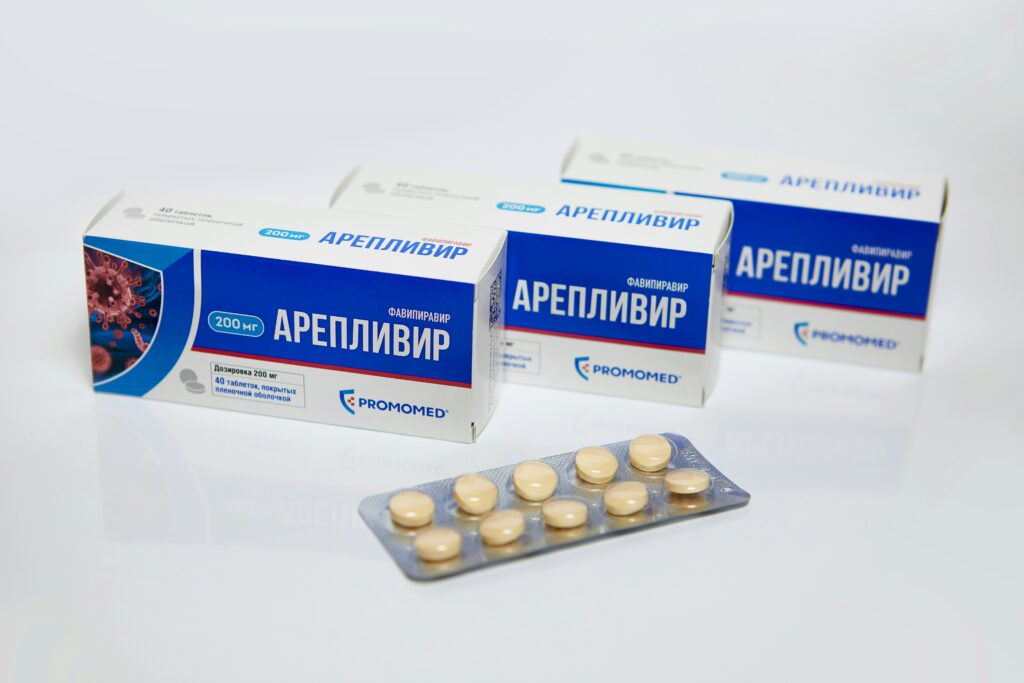
- Generic Drug Manufacturers: Companies like Sandoz (a Novartis spin-off) and Hikma Pharmaceuticals are expanding API and finished-dose facilities in Hungary, Spain, and Poland. Sandoz, for instance, announced a €200 million upgrade to its Kundl, Austria plant in 2023, focusing on antibiotic production.
- Biotech Innovators: Firms developing novel antibiotics or alternative therapies—such as bacteriophage treatments—are gaining access to EU grants and venture funding. BioVersys (Germany) and Destiny Pharma (UK, post-Brexit associate via Horizon Europe) have secured multimillion-euro funding rounds backed by EU innovation programs.
- Contract Development and Manufacturing Organizations (CDMOs): European CDMOs like Recipharm and Catalent (with EU operations) are positioning themselves as key partners in scaling domestic output, benefiting from public-private partnership contracts.
These developments suggest growing investor confidence in the long-term viability of European pharmaceutical infrastructure.
Risks and Rewards: Navigating the New Landscape
While the outlook is promising, investors must weigh several risks. First, pharmaceutical infrastructure projects require long lead times—often five to seven years from planning to full operation—and face high capital intensity. Second, regulatory frameworks across EU member states remain fragmented, complicating harmonized approval and distribution. Third, geopolitical factors, including trade relations with China and export controls on dual-use technologies, could still disrupt supply chains despite reshoring efforts.
Balancing Market Stability and Policy Volatility
On the reward side, stable government backing, increasing public procurement commitments, and rising awareness of medicine security are enhancing market predictability. Moreover, the integration of environmental, social, and governance (ESG) criteria into EU funding means that sustainable manufacturing practices are likely to receive preferential treatment—offering competitive advantages to compliant firms. However, investors should avoid overestimating short-term returns; this is a structural transformation, not a speculative boom. Diversification across subsectors and geographies within Europe remains a prudent strategy.