France’s Vineyard Crisis: A Climate-Driven Shift
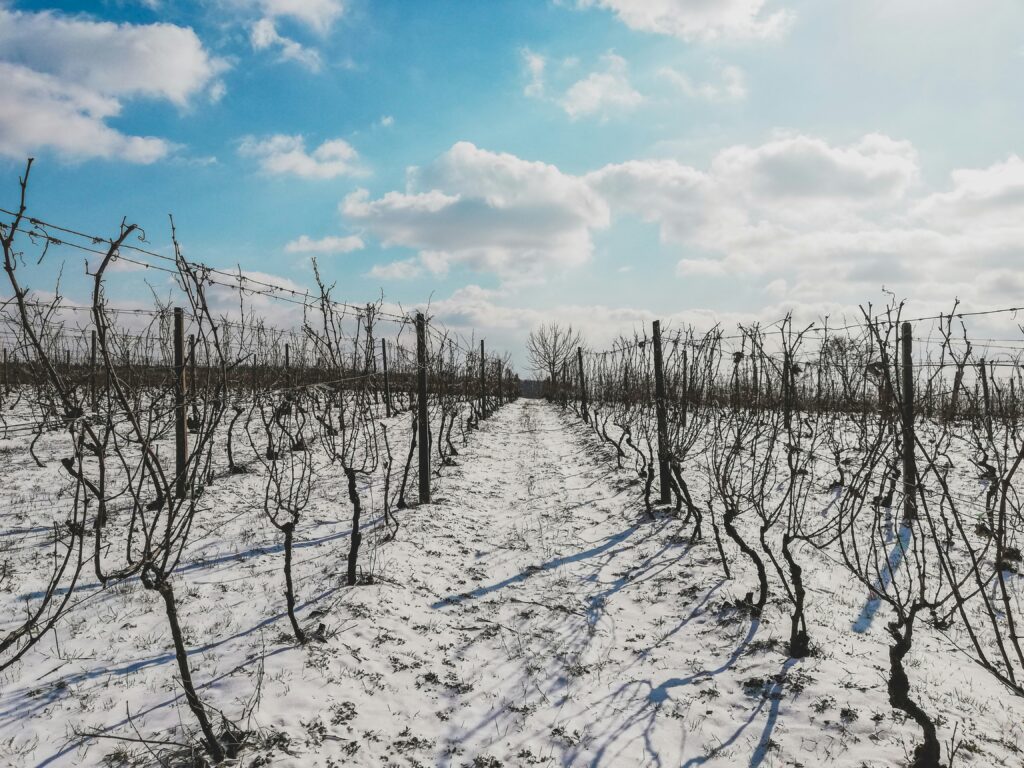
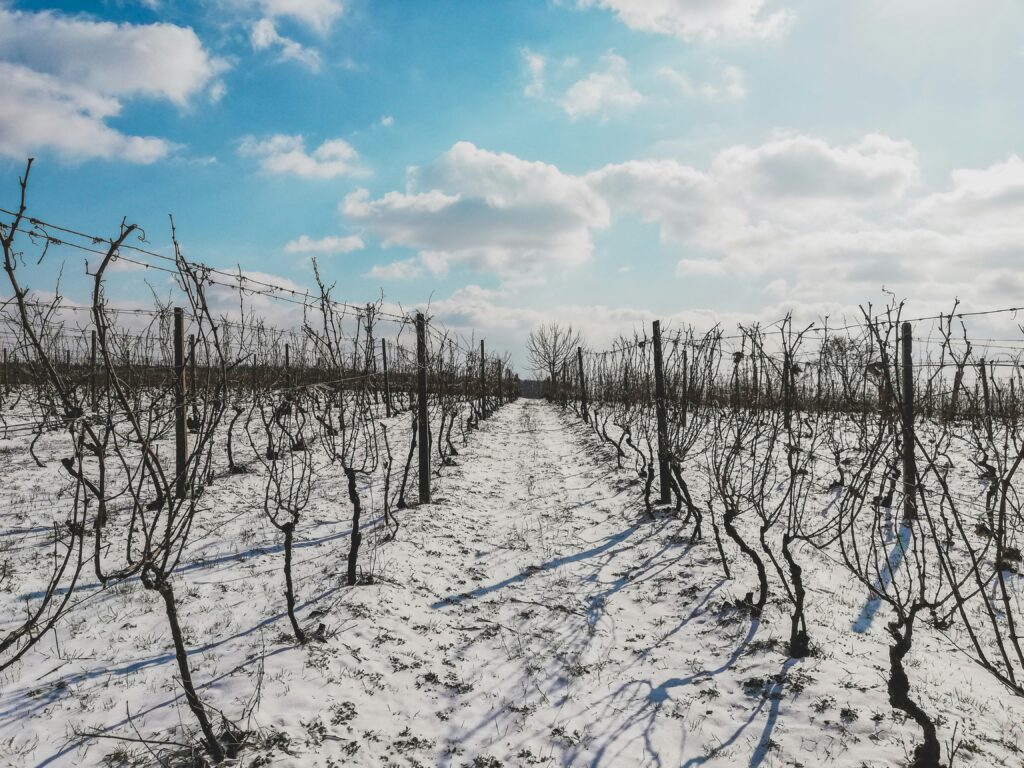
France, long celebrated as the global epicenter of premium wine production, now faces an existential challenge driven by climate change. In 2023, French wine output fell to its second-lowest level in over half a century, according to data from the International Organisation of Vine and Wine (OIV), with yields down nearly 15% compared to the previous decade’s average. Unpredictable spring frosts, prolonged summer droughts, and increased pest pressure have eroded vineyard productivity—particularly in traditional regions like Bordeaux and Burgundy. In response, the French government has proposed a controversial strategy: financially incentivizing vintners to uproot unproductive vines and repurpose land for more resilient crops or alternative uses.
This initiative, while framed as a climate adaptation measure, raises complex questions about long-term land valuation and heritage preservation. The Ministry of Agriculture reports that over 4,000 hectares of vineyards were voluntarily uprooted in 2023 alone—a 35% increase from 2022—many under state-funded programs offering €8,000 to €10,000 per hectare. While these payments ease short-term economic pain for farmers, they may accelerate the devaluation of agricultural land historically prized for viticulture.
Economic Impact: Terroir, Taxes, and Regional GDP
The concept of terroir—the unique interplay of soil, climate, and tradition that defines French wine identity—has long underpinned premium pricing and land premiums. However, as climatic conditions shift, the economic value of traditional terroirs is being called into question. A 2023 study by INRAE (France’s National Research Institute for Agriculture, Food, and Environment) found that 60% of current wine-growing areas in southern France may become unsuitable for classic grape varieties by 2050 due to heat stress and water scarcity. This suggests a structural decline in land productivity, which could permanently reduce capital values in regions heavily dependent on wine tourism and exports.
Regionally, the implications are stark. In Bordeaux, where wine contributes over €3 billion annually to the regional economy and supports more than 60,000 jobs, even modest reductions in vineyard area could ripple through local GDP. Municipal tax revenues tied to land use and agricultural activity may also decline, especially if repurposed lands generate lower taxable income. Furthermore, once-vibrant appellations risk becoming economically marginal, undermining investment confidence in rural infrastructure and agri-tourism ventures.
Investment Exposure: Risks for Farmland REITs and ESG Funds
For institutional investors, the erosion of vineyard viability introduces new layers of risk in agricultural real estate portfolios. Farmland Real Estate Investment Trusts (REITs) with exposure to European premium crop zones may face asset devaluation, particularly if climate adaptation lags behind environmental deterioration. For example, funds tracking indices like the MSCI Global Farmland Index have seen slower growth in European allocations compared to North and South America, partly due to regulatory uncertainty and climate vulnerability.
ESG-linked agricultural funds, often marketed as sustainable investments, must also confront this paradox: supporting climate adaptation while avoiding stranded assets. Some green bonds and sustainability-linked loans tied to vineyard operations now include climate resilience covenants, such as mandatory irrigation upgrades or drought-resistant varietal planting. However, without broader systemic adaptation—like water retention infrastructure or cross-regional diversification—these measures may only delay, not prevent, value erosion. Investors should scrutinize fund disclosures for geographic concentration, climate risk modeling, and exit strategies in high-exposure zones.
Luxury Goods Portfolios: Indirect but Material Risk
The wine industry’s instability also affects luxury goods conglomerates. Companies like LVMH, which owns Château d’Yquem and Domaine des Lambrays, derive not just revenue but brand equity from their wine holdings. A sustained decline in vintage quality or availability could impair marketing narratives centered on heritage and exclusivity. While direct financial exposure may be small—wine represents less than 5% of LVMH’s total revenue—the reputational and strategic risk is non-trivial, particularly in Asian and North American markets where provenance drives consumer willingness to pay.
Global Parallels: Climate Adaptation Beyond France
France is not alone in confronting climate threats to premium agriculture. California’s Napa Valley has experienced wildfire-related disruptions in four of the past seven vintages, leading insurers to raise premiums by up to 300% in some cases. Similarly, Tuscany in Italy faces increasing challenges from erratic rainfall and rising temperatures, with Sangiovese yields fluctuating by as much as 25% year-over-year since 2018. These patterns suggest a broader trend: climate volatility is transforming agricultural land from a stable, long-duration asset into one requiring active risk management.
Adaptation strategies vary. In Spain, some producers are shifting to higher-altitude plots or experimenting with ancient, heat-tolerant grape varieties. In Australia, winegrowers are investing in precision agriculture and soil moisture sensors to optimize inputs. These innovations point to a future where technological integration and geographic diversification may outweigh historical pedigree in determining land value. For investors, this means reassessing traditional metrics like location premium and yield consistency through a climate-adjusted lens.
Strategic Implications for Investors
Given these dynamics, investors should adopt a more nuanced approach to agricultural real estate. Key considerations include:
- Geographic Diversification: Reducing concentration in climate-vulnerable regions like southern Europe.
- Asset Flexibility: Prioritizing farmland that can support multiple crops or uses, reducing dependency on a single commodity.
- Climate Resilience Metrics: Incorporating drought indices, water rights availability, and adaptive capacity into due diligence.
- Policy Monitoring: Tracking national and EU-level agricultural subsidies and land-use regulations, which may influence long-term returns.
While complete divestment from European vineyards may be premature, rebalancing exposure toward more climate-resilient geographies—such as cooler regions in northern Europe, Canada, or New Zealand—could mitigate downside risk. Moreover, integrating forward-looking climate models into valuation frameworks will be essential for preserving capital over the coming decades.