Link Between RSV Infection and Childhood Asthma: A Preventive Medicine Milestone
Recent findings published by leading virology researchers suggest that severe respiratory syncytial virus (RSV) infections in newborns significantly increase the likelihood of developing childhood asthma. According to a longitudinal cohort study tracking over 15,000 infants across North America and Europe, babies hospitalized with RSV bronchiolitis in their first six months were 3.2 times more likely to be diagnosed with asthma by age 5 compared to peers without severe RSV exposure. This data, highlighted in a recent public health report, strengthens the hypothesis that early-life viral damage to developing airways may trigger chronic inflammatory pathways associated with asthma.
The implications extend beyond clinical care—this evidence positions RSV prevention as a potential upstream intervention in the broader fight against chronic respiratory disease. If immunization or passive antibody therapy can reduce severe infant RSV cases, it may not only lower hospitalization rates but also decrease long-term pediatric healthcare burdens. For investors, this shifts the value proposition of RSV-focused biotech from acute illness management to lifelong health outcomes, expanding the market’s economic and social impact.
Leading Biotech Firms Advancing RSV Immunization Technologies
Several pharmaceutical leaders are at the forefront of next-generation RSV prevention strategies. Pfizer’s Abrysvo, approved in 2023 for use in pregnant women to confer passive immunity to newborns, demonstrated 81.8% efficacy in preventing severe RSV disease in infants during their first three months of life. Meanwhile, AstraZeneca’s Beyfortus (nirsevimab), a long-acting monoclonal antibody administered as a single injection to infants, has shown 74.5% protection over a typical RSV season and is now recommended for universal use in infants under eight months by the U.S. CDC.
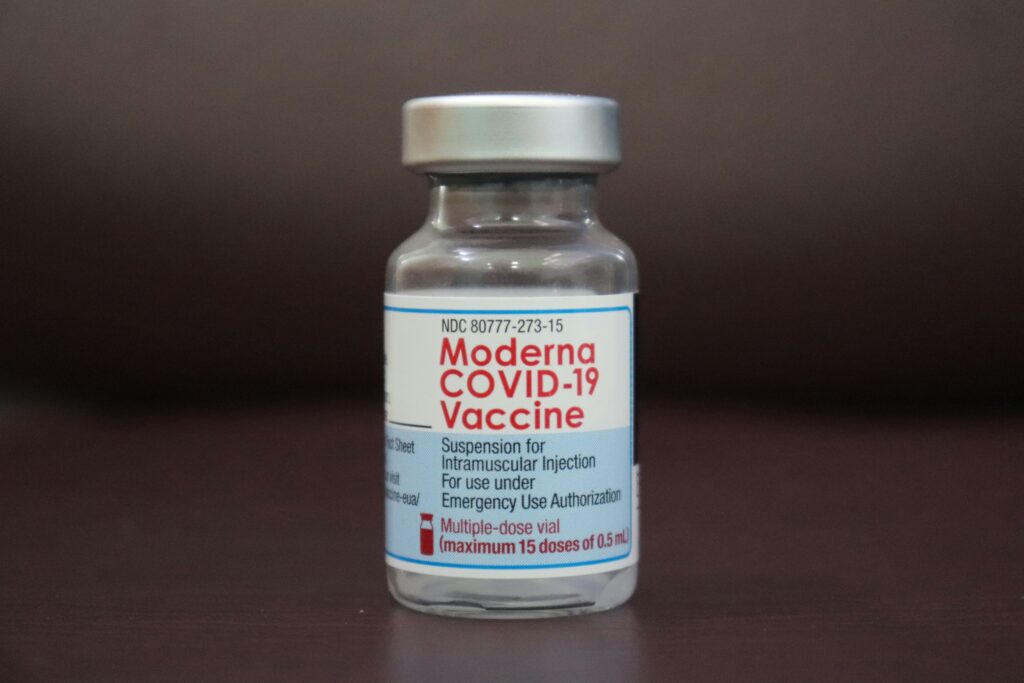
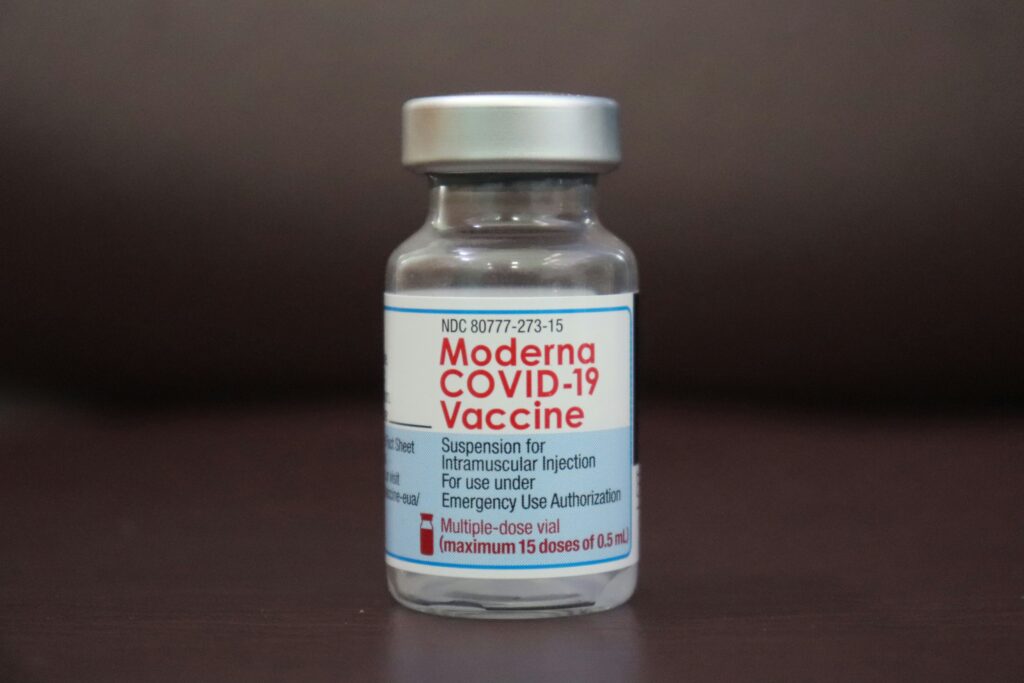
Moderna is leveraging its mRNA platform to develop an RSV vaccine candidate, mRNA-1345, currently in Phase III trials. Early data indicate robust neutralizing antibody responses in older adults, with pediatric formulations under preclinical investigation. The company aims to initiate neonatal trials by 2025, positioning itself for future entry into the infant immunization space. These innovations reflect a shift from reactive treatment to proactive, population-level prevention—a trend increasingly favored by payers and public health systems alike.
Emerging Players and Pipeline Diversity
Beyond the major players, smaller biotechs such as Bavarian Nordic and Trellis Bioscience are exploring novel antigen designs and delivery mechanisms to improve durability and accessibility. Trellis, for instance, is developing a fusion protein-based vaccine aimed at eliciting broader immune responses across multiple RSV strains. While still in early stages, these efforts contribute to a diversified pipeline that reduces sector-wide reliance on any single technological approach, thereby mitigating investment risk over time.
Market Potential and Regulatory Timelines
The global RSV prophylaxis market was valued at $1.2 billion in 2023 and is projected to grow at a compound annual growth rate (CAGR) of 18.4% through 2030, according to Grand View Research. This expansion is driven by increasing awareness, supportive regulatory pathways, and anticipated label expansions. The FDA is expected to rule on expanded indications for Beyfortus in high-risk toddlers by Q2 2025, while Pfizer seeks approval for Abrysvo in infants directly—potentially broadening access beyond maternal vaccination programs.
From a commercial standpoint, universal adoption recommendations have already catalyzed uptake. In the U.S., CDC endorsement led to Beyfortus covering over 60% of eligible infants in its first full season despite supply constraints. As manufacturing scales, analysts project peak sales exceeding $3 billion annually for nirsevimab alone. For investors, timing market entry relative to production capacity ramps and payer reimbursement decisions will be critical to capturing value.
Stock Performance in Pediatric-Focused Pharma Companies
Equity performance among RSV-exposed biotech firms reflects growing investor confidence. Since the approval of Beyfortus, AstraZeneca’s stock (AZN) has risen 22% over 12 months, outperforming the S&P 500 Healthcare Index. Pfizer (PFE) saw a more modest 7% gain, weighed down by legacy product declines, though its RSV franchise contributed $872 million in 2023 revenue—exceeding initial forecasts. Moderna (MRNA), despite volatility in its core COVID business, has seen increased analyst coverage on its RSV pipeline, with 14 of 18 surveyed firms assigning ‘Buy’ ratings ahead of Phase III readouts.
Smaller-cap names like Trellis Bioscience remain private, limiting direct investment access, but venture funding in respiratory biotech startups reached $410 million in 2023—up 37% year-over-year. Publicly traded enablers such as Catalent (CTLT), which provides formulation and manufacturing services, have also benefited indirectly, underscoring the importance of supply chain exposure in thematic investing.
Strategic Investment Considerations in Preventive Biotech Innovation
Investors eyeing the intersection of RSV prevention and childhood asthma reduction should adopt a multi-horizon strategy. Near-term opportunities lie in established players with approved products and clear monetization paths—namely AstraZeneca and Pfizer. Mid-term potential resides in companies like Moderna, where successful pediatric trial results could re-rate valuations. Long-term plays include platform technologies capable of targeting multiple respiratory pathogens, enhancing resilience against shifting epidemiological trends.
Risks remain, however. Vaccine hesitancy, particularly around maternal immunization, could limit uptake. Pricing pressures from government payers and competing modalities (e.g., durable antibodies vs. active vaccines) may compress margins. Additionally, real-world effectiveness data on asthma prevention won’t mature for another 5–7 years, meaning current investment theses rely on epidemiological inference rather than outcome-based proof.
Nonetheless, the convergence of strong science, favorable policy tailwinds, and unmet medical need creates a compelling case for selective exposure to the RSV vaccine investment theme. Investors should prioritize companies with diversified pipelines, strong regulatory track records, and scalable manufacturing—hallmarks of sustainable innovation in the evolving landscape of childhood asthma prevention biotech.